
Cabinet Refinishing Design Ideas to Transform Your Kitchen Style

San Jose Cabinet Refinishing
Cabinet Refinishing

The moment you walk into your kitchen, your cabinets are one of the first things you notice. They set the tone for the entire space, influencing both style and atmosphere. If your cabinets feel outdated or worn, you might think a full replacement is the only solution.

In reality, San Jose Cabinet Refinishing design offers a creative and cost effective way to completely refresh your kitchen’s look. With the right design choices, you can turn old cabinets into a stunning focal point that feels brand new.

What Is Cabinet Refinishing Design

Cabinet refinishing design focuses on updating the visual appearance of existing cabinets through finishes, colors, textures, and decorative details. Instead of replacing cabinets, this approach enhances their exterior to match a desired style.

It combines creativity with practical upgrades, allowing you to experiment with modern trends or timeless aesthetics. From color selection to surface finishes, every design choice contributes to the final result.

This approach is ideal for homeowners who want a transformation without the expense and disruption of a full renovation.

Choosing the Right Color Scheme

Color plays a major role in cabinet refinishing design. The right color can completely change the mood and perception of your kitchen. Light colors such as white or soft gray can make the space feel larger and more open.

Darker tones like navy or charcoal create a bold and sophisticated look. These colors can add depth and contrast, especially when paired with lighter countertops or walls.

Two tone designs are also popular. Using one color for upper cabinets and another for lower cabinets adds visual interest and balance. This approach allows for creativity while maintaining a cohesive design.

The key is to choose colors that complement the rest of your kitchen elements, including flooring, backsplash, and appliances.

Exploring Different Finishes

The finish you choose can significantly impact the overall appearance of your cabinets. A matte finish offers a smooth and modern look, while a glossy finish reflects light and creates a more polished appearance.

Satin finishes are a popular middle ground, providing a subtle sheen that works well in many styles. Each finish has its own characteristics and maintenance requirements.

Distressed finishes are another option for those who prefer a rustic or vintage feel. This design adds texture and character, making the cabinets look intentionally aged.

Wood stains are ideal for showcasing natural grain patterns. They enhance the beauty of the material while adding warmth to the space.

Adding Decorative Details

Cabinet refinishing design is not just about color and finish. Decorative details can elevate the overall look and make your cabinets stand out. Adding trim or molding can create a more refined and custom appearance.

Glass inserts are another popular option. They break up solid cabinet fronts and allow you to display items inside. This adds depth and visual variety to your kitchen.

Updating hardware is one of the simplest yet most effective design changes. New handles or knobs can instantly modernize the look of your cabinets. Choosing finishes that match other elements in the kitchen helps create a cohesive design.

Open shelving can also be incorporated into the design. Replacing a few cabinet doors with shelves creates a more open and airy feel.

Matching Cabinet Design with Kitchen Style

A successful cabinet refinishing design should align with the overall style of your kitchen. For a modern look, clean lines and neutral colors work best. Minimalistic hardware and smooth finishes enhance this style.

Traditional kitchens often feature warm tones, detailed molding, and classic finishes. Refinishing can help emphasize these elements while refreshing the overall appearance.

For a rustic style, natural wood finishes and textured surfaces create a cozy and inviting atmosphere. Distressed details can add authenticity and charm.

Transitional designs combine elements from different styles. This approach allows for flexibility, blending modern simplicity with traditional warmth.

Popular Cabinet Refinishing Design Trends

Cabinet design trends continue to evolve, offering new inspiration for refinishing projects. One popular trend is the use of bold accent colors. Adding a striking color to an island or lower cabinets can create a focal point.

Neutral palettes remain a favorite choice for their timeless appeal. Soft whites, grays, and beiges provide a clean and versatile backdrop.

Another trend is the use of natural textures. Wood grain finishes and organic materials bring warmth and balance to modern spaces.

Minimalist designs are also gaining popularity. Simple lines, hidden hardware, and uncluttered surfaces create a sleek and contemporary look.

Common Design Mistakes to Avoid

While cabinet refinishing design offers many possibilities, certain mistakes can affect the final result. One common issue is choosing colors that clash with other elements in the kitchen. Ensuring harmony between all components is essential.

Another mistake is overcomplicating the design. Too many colors or decorative features can make the space feel cluttered. A balanced approach helps maintain a clean and cohesive look.

Ignoring lighting is another concern. The way light interacts with cabinet colors and finishes can change their appearance. Testing samples in different lighting conditions can help you make better decisions.

Neglecting functionality can also be a problem. While aesthetics are important, cabinets should remain practical and easy to use.

Maintaining Your Cabinet Design

Once your cabinets are refinished, proper maintenance helps preserve their appearance. Regular cleaning prevents buildup and keeps surfaces looking fresh.

Using gentle cleaning products ensures that the finish is not damaged over time. Avoiding harsh chemicals helps maintain the quality of the surface.

Addressing minor wear early can also extend the life of your cabinets. Small touch ups can keep them looking new and prevent larger issues.

Maintaining consistency in care ensures that your cabinet design continues to enhance your kitchen for years to come.

Conclusion

Cabinet refinishing design is a powerful way to transform your kitchen without the need for a full replacement. By focusing on colors, finishes, and decorative details, you can create a space that reflects your style and meets your needs.

With thoughtful planning and attention to detail, refinished cabinets can become a standout feature that elevates the entire room. The right design choices not only improve aesthetics but also enhance functionality and comfort.

A well executed cabinet refinishing design proves that even small changes can have a big impact. It allows you to refresh your space and enjoy a kitchen that feels both updated and uniquely yours.
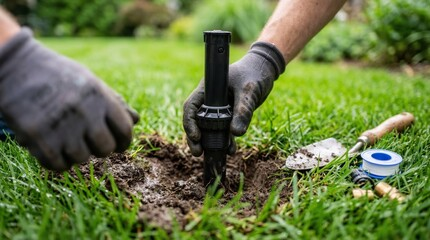
What Is Structured Lawn Care and Why Does It Matter for a Healthy Yard

A vibrant lawn does not happen by accident. It is the result of consistent care, smart planning, and a clear understanding of what grass needs to thrive. Many homeowners struggle with patchy growth, weeds, or dull color because they approach lawn care randomly instead of following a system.

Structured Lawn Care changes that by turning guesswork into a reliable process that delivers lasting results. When every step is intentional and timed correctly, even an average yard can become lush, green, and resilient.

Understanding the Concept of Structured Lawn Care

Structured Lawn Care

Structured lawn care is a methodical approach to maintaining a lawn using a planned schedule and defined practices. Instead of reacting to problems as they appear, this approach focuses on prevention and long term health. It combines mowing, watering, fertilization, soil management, and pest control into a coordinated routine.

The idea is simple. Grass thrives when its needs are met consistently. By creating a structure, homeowners can ensure that no essential task is missed or delayed. This reduces stress on the lawn and promotes steady growth throughout the year. It also helps avoid common issues such as overwatering, nutrient deficiencies, and weed invasions.

A structured plan is not rigid but adaptable. It takes into account seasonal changes, grass type, and environmental conditions. This balance between consistency and flexibility is what makes it effective.

The Importance of Soil Health as a Foundation

Every successful lawn begins with healthy soil. Structured lawn care emphasizes soil as the foundation rather than just focusing on the grass itself. Soil quality affects how well nutrients are absorbed, how water drains, and how roots develop.

Testing the soil is often the first step in a structured plan. This reveals pH levels and nutrient deficiencies. Once the condition of the soil is understood, targeted improvements can be made. Organic matter can be added to enhance structure, while proper fertilization can restore balance.

Aeration is another key component. Compacted soil restricts airflow and root growth. By loosening the soil at the right time, roots can expand more easily and access the nutrients they need. Over time, this leads to thicker and healthier turf.

Focusing on soil health creates a strong base that supports every other lawn care practice. Without it, even the best efforts in watering or mowing may fall short.

Creating a Consistent Mowing Strategy

Mowing is one of the most visible aspects of lawn care, but it is often done incorrectly. Structured lawn care treats mowing as a science rather than a routine chore. The height of the grass, frequency of mowing, and condition of the mower all play important roles.

Cutting grass too short can weaken it and expose the soil to sunlight, which encourages weed growth. On the other hand, allowing grass to grow too long can lead to uneven cutting and stress. A structured plan sets an ideal height based on the type of grass and maintains it consistently.

Sharp mower blades are also essential. Dull blades tear the grass instead of cutting it cleanly, which can lead to browning and disease. Regular maintenance of equipment ensures that each mowing session contributes to the health of the lawn.

Timing is another factor. Mowing during cooler parts of the day helps prevent stress and moisture loss. By following a consistent schedule, the lawn develops a uniform appearance and stronger growth pattern.

Watering with Purpose and Precision

Watering may seem straightforward, but it is one of the most misunderstood aspects of lawn care. Structured lawn care replaces guesswork with intentional watering practices that support deep root development.

Instead of frequent shallow watering, the focus is on deep and infrequent irrigation. This encourages roots to grow deeper into the soil, making the lawn more drought resistant. The amount of water and timing depend on factors such as weather conditions and soil type.

Early morning is often the best time to water. This allows moisture to soak into the soil before the heat of the day causes evaporation. It also reduces the risk of fungal diseases that can develop when grass remains wet overnight.

A structured approach also involves monitoring the lawn for signs of overwatering or underwatering. Adjustments are made as needed to maintain balance. This level of attention ensures that water is used efficiently while keeping the lawn healthy.

Fertilization and Nutrient Management

Grass requires nutrients to grow strong and maintain its color. Structured lawn care includes a fertilization schedule that aligns with the natural growth cycle of the grass. This ensures that nutrients are provided when they are most needed.

Different seasons call for different types of fertilizers. During active growth periods, nitrogen rich fertilizers support lush development. At other times, balanced formulations help strengthen roots and prepare the lawn for changing conditions.

Applying fertilizer at the right rate is crucial. Too much can burn the grass and harm the environment, while too little may not provide the desired results. A structured plan takes the guesswork out of this process by following guidelines based on soil testing and grass type.

Organic options can also be incorporated to improve soil health and promote sustainable growth. Over time, consistent nutrient management leads to a greener and more resilient lawn.

Managing Weeds and Pests Effectively

Weeds and pests are common challenges, but structured lawn care addresses them proactively. A healthy lawn is the first line of defense. Thick grass naturally crowds out weeds and reduces the likelihood of infestations.

Preventive measures are a key part of the strategy. This may include applying treatments at specific times to stop weeds before they emerge. Monitoring the lawn regularly helps identify problems early, when they are easier to manage.

When issues do arise, targeted solutions are used instead of broad applications. This minimizes damage to the lawn and surrounding environment. Integrated pest management techniques can also be included to maintain balance without overreliance on chemicals.

Consistency in care reduces the conditions that allow weeds and pests to thrive. Over time, the lawn becomes more self sustaining and less prone to problems.

Seasonal Adjustments for Year Round Success

Structured lawn care recognizes that a lawn’s needs change throughout the year. Each season brings different challenges and opportunities, and the care routine must adapt accordingly.

In warmer months, the focus is on maintaining growth and managing heat stress. Proper watering and mowing practices help the lawn stay green and healthy. During cooler periods, attention shifts to strengthening roots and preparing for dormancy.

Transition seasons are especially important. This is when tasks such as aeration, overseeding, and fertilization can have the greatest impact. By aligning these activities with seasonal changes, the lawn can recover from stress and build resilience.

A structured approach ensures that no season is overlooked. Each phase of the year contributes to the overall health and appearance of the lawn.

The Long Term Benefits of a Structured Approach

Adopting structured lawn care offers benefits that go beyond immediate appearance. Over time, the lawn becomes more durable and easier to maintain. Consistent practices reduce the need for corrective measures, saving both time and effort.

A well maintained lawn also enhances the overall environment. It can improve air quality, reduce soil erosion, and create a more comfortable outdoor space. These benefits extend to both the homeowner and the surrounding community.

Financially, structured care can be more efficient. By preventing problems and optimizing resource use, it reduces the need for costly repairs or excessive treatments. The investment in planning and consistency pays off in the long run.

Perhaps most importantly, structured lawn care provides a sense of control and confidence. Instead of reacting to issues, homeowners can take a proactive role in maintaining their outdoor space.

Conclusion

Structured lawn care transforms the way a lawn is maintained by replacing random efforts with a clear and consistent plan. From soil health to mowing, watering, and seasonal adjustments, every aspect works together to support long term growth and resilience. This approach not only improves the appearance of the lawn but also strengthens its ability to withstand challenges. By committing to a structured routine, anyone can achieve a healthier and more vibrant yard that stands the test of time.

Navigation