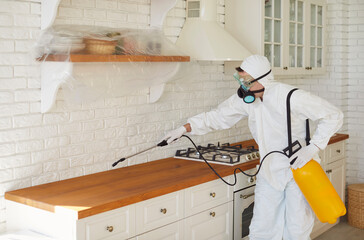
Pest control services play an essential role in maintaining healthy living and working environments, protecting properties, and ensuring the safety of the people who occupy them. Whether dealing with insects, rodents, or other invasive species, professional Ben’s Pest Control solutions help address infestations efficiently and prevent recurring issues that can lead to structural damage, health risks, and costly repairs.
As more individuals and businesses prioritize cleanliness, sanitation, and long-term property care, pest control services have become a fundamental part of routine maintenance. Understanding how these services work, what they offer, and why they are vital is key for anyone aiming to protect their home or business from the persistent threats pests pose.
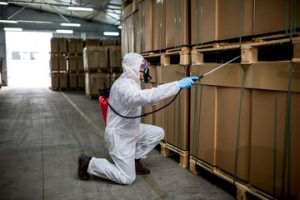
Pests can enter a property silently and spread quickly, often remaining unnoticed until damage becomes severe. Many insects, such as ants, termites, and cockroaches, invade structures seeking food, moisture, and shelter, thriving in hidden spaces where they can reproduce without interruption. Rodents, on the other hand, are known for their ability to squeeze through tiny openings, chewing through wood, electrical wiring, insulation, and various household materials. Without professional intervention, infestations can escalate rapidly. Pest control services make it possible to detect issues early, apply targeted treatments, and disrupt breeding cycles before they become unmanageable. This proactive approach ensures that property owners avoid costly problems later and maintain safe, hygienic environments year-round.
One of the primary benefits of professional pest control services is the advanced inspection process that allows technicians to identify the root cause of an infestation rather than merely addressing surface-level symptoms. Thorough inspections help pinpoint entry points, assess structural vulnerabilities, and determine the type and extent of pest activity. This detailed evaluation is crucial because different pests require different treatment strategies. A method that works effectively for ants may not be suitable for termites or rodents. Professional pest control experts rely on training, experience, and specialized equipment to conduct accurate assessments, ensuring that the solutions applied are appropriate for the specific pest challenges present. By identifying the source, they can implement targeted measures that eliminate pests more efficiently and safely.
Modern pest control services prioritize safe and environmentally responsible treatments, using innovative solutions designed to minimize harm to humans, pets, and surrounding ecosystems. In contrast to traditional methods that relied heavily on harsh chemicals, today’s pest control products often focus on precision and reduced toxicity, ensuring that treatments do not create unnecessary health risks. Many companies incorporate integrated pest management principles, which combine biological, mechanical, and chemical solutions to achieve the most effective outcome with minimal environmental impact. This approach typically includes sealing access points, removing attractants, maintaining proper sanitation, and applying targeted treatments only where needed. As a result, homeowners and businesses can rely on pest control solutions that are both effective and sustainable.
Prevention is one of the most valuable aspects of professional pest control service plans. While eliminating active infestations is important, preventing future problems ensures long-term safety and peace of mind. Preventive maintenance typically involves scheduled inspections, barrier treatments, and ongoing monitoring to catch early signs of pest activity. By treating a property regularly, pest control professionals can break breeding cycles, discourage pests from returning, and maintain consistent environmental conditions that are less attractive to invasive species. For properties in areas where pests are common, preventive services are essential for maintaining comfort, reducing health risks, and avoiding unexpected disruptions. Preventive pest control is especially helpful for businesses, which must uphold strict cleanliness and sanitation standards to remain compliant and avoid operational setbacks.
Health protection is another critical reason pest control services are indispensable. Many pests carry bacteria, pathogens, and allergens that can negatively affect human health. Cockroaches, for instance, can trigger asthma and allergies, especially in children. Rodents can contaminate food and surfaces with pathogens that lead to illness. Even insect bites from mosquitoes and fleas can cause discomfort and, in some cases, transmit harmful diseases. Professional pest control eliminates these risks by removing pests that contribute to contamination, bite hazards, and airborne allergens. A pest-free environment supports better overall health, especially in spaces where vulnerable individuals, such as children, older adults, or those with compromised immune systems, reside or frequently visit.
Structural protection is another compelling reason to invest in professional pest control. Termites, carpenter ants, and certain types of beetles can cause significant damage to wooden structures, compromising the integrity of homes and commercial buildings. This type of destruction often goes unnoticed until major repairs are required, leading to financial strain and operational disruptions. Rodents can also weaken structures by gnawing through walls, flooring, insulation, and wiring, increasing fire risks and diminishing energy efficiency. Pest control experts not only remove these destructive species but also help homeowners understand the conditions that attract them, offering guidance on repairs, moisture control, and property care. Over time, consistent pest management prevents small issues from escalating into costly structural problems.
A personalized approach to pest control is essential because no two infestations are exactly alike. Differences in property layout, climate conditions, sanitation practices, and pest species require customized solutions. Professionals tailor their treatment plans based on the type of pest, the extent of infestation, and the specific needs of the property owner. They may use a combination of treatments, including baiting systems, exclusion methods, vacuuming, heat treatments, and targeted chemical applications, ensuring that each strategy delivers maximum effectiveness. Personalized treatment plans not only eliminate pests more efficiently but also maintain the safety and comfort of occupants, making them a crucial aspect of long-term pest management success.
Businesses, in particular, benefit significantly from professional pest control services. Maintaining a pest-free environment is critical for reputation, customer satisfaction, and compliance with industry regulations. Pests in commercial establishments can lead to contaminated products, health violations, customer complaints, and even legal consequences. Regular pest control protects inventory, equipment, and staff, helping businesses uphold high-quality standards while avoiding unnecessary disruption. Industries such as food service, hospitality, manufacturing, and healthcare rely heavily on preventive pest control programs to ensure cleanliness and compliance. By implementing consistent inspections and monitoring systems, businesses can avoid downtime and maintain trustworthy, reliable operations.
Homeowners also gain peace of mind by relying on professional pest control solutions. Pest activity in residential spaces often goes unnoticed until visible signs appear, which can be stressful and unsettling. Strange noises in walls, droppings, swarming insects, or sudden bites can disrupt daily life and create anxiety. Professional pest control eliminates these worries by addressing infestations promptly, providing follow-up care, and offering guidance on how to prevent future issues. This level of support allows homeowners to maintain comfort and confidence in their living environments, knowing that potential threats are being managed by trained professionals who prioritize safety and long-term stability.
Education is another important component of effective pest control. Professional technicians often provide valuable insights into pest behavior, seasonal patterns, and property maintenance practices that help prevent infestations. They may advise on simple steps, such as eliminating standing water, sealing cracks around doors and windows, maintaining clean food storage areas, and managing landscaping to reduce pest attractants. These small adjustments can significantly reduce the likelihood of pests entering a property. When combined with regular professional treatments, proper property care forms a comprehensive defense against pest invasions. This educational partnership empowers property owners to play an active role in maintaining a pest-free environment.
Innovations in pest control technology continue to make services more effective, precise, and efficient. Modern advancements include digital monitoring systems, improved baiting devices, eco-friendly treatment formulas, and heat-based solutions that reduce the need for chemical applications. These innovations not only increase success rates but also provide safer alternatives for sensitive environments. Whether dealing with stubborn insect populations or persistent rodent activity, state-of-the-art pest control tools help professionals deliver superior results while reducing environmental impact. Staying informed about new technologies ensures that pest control services remain effective as pests evolve and adapt.
The long-term financial benefits of pest control services extend far beyond immediate extermination. By preventing infestations, avoiding structural damage, and minimizing the risk of health issues, pest control services contribute to overall cost savings for both homeowners and businesses. Routine inspections and preventive treatments are far more affordable than repairing severe damage or addressing medical concerns caused by pest-related contamination. This makes pest control not just an optional service but a smart investment in long-term property care and financial stability. By maintaining a pest-free environment, property owners can avoid unexpected expenses and enjoy consistent protection.
In conclusion, pest control services play a vital role in safeguarding properties, improving health conditions, and ensuring long-term peace of mind for home and business owners alike. The expertise and precision offered by professional pest control technicians enable them to address infestations quickly and effectively while providing valuable preventive care to stop future problems before they begin. With their focus on safety, environmentally responsible treatments, advanced technology, and personalized service plans, pest control professionals deliver essential solutions that contribute to cleaner, healthier, and more comfortable environments. Whether managing a single household or a large commercial facility, investing in professional pest control remains one of the most reliable ways to protect property, promote well-being, and maintain long-term value.