Author: Brett Mayer

What Is Structured Lawn Care and Why Does It Matter for a Healthy Yard

A vibrant lawn does not happen by accident. It is the result of consistent care, smart planning, and a clear understanding of what grass needs to thrive. Many homeowners struggle with patchy growth, weeds, or dull color because they approach lawn care randomly instead of following a system.

Structured Lawn Care changes that by turning guesswork into a reliable process that delivers lasting results. When every step is intentional and timed correctly, even an average yard can become lush, green, and resilient.

Understanding the Concept of Structured Lawn Care
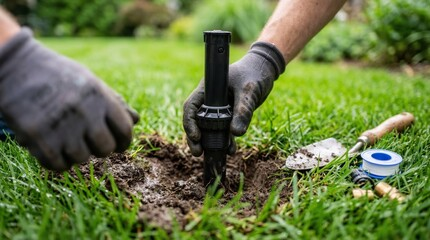
Structured Lawn Care

Structured lawn care is a methodical approach to maintaining a lawn using a planned schedule and defined practices. Instead of reacting to problems as they appear, this approach focuses on prevention and long term health. It combines mowing, watering, fertilization, soil management, and pest control into a coordinated routine.

The idea is simple. Grass thrives when its needs are met consistently. By creating a structure, homeowners can ensure that no essential task is missed or delayed. This reduces stress on the lawn and promotes steady growth throughout the year. It also helps avoid common issues such as overwatering, nutrient deficiencies, and weed invasions.

A structured plan is not rigid but adaptable. It takes into account seasonal changes, grass type, and environmental conditions. This balance between consistency and flexibility is what makes it effective.

The Importance of Soil Health as a Foundation

Every successful lawn begins with healthy soil. Structured lawn care emphasizes soil as the foundation rather than just focusing on the grass itself. Soil quality affects how well nutrients are absorbed, how water drains, and how roots develop.

Testing the soil is often the first step in a structured plan. This reveals pH levels and nutrient deficiencies. Once the condition of the soil is understood, targeted improvements can be made. Organic matter can be added to enhance structure, while proper fertilization can restore balance.

Aeration is another key component. Compacted soil restricts airflow and root growth. By loosening the soil at the right time, roots can expand more easily and access the nutrients they need. Over time, this leads to thicker and healthier turf.

Focusing on soil health creates a strong base that supports every other lawn care practice. Without it, even the best efforts in watering or mowing may fall short.

Creating a Consistent Mowing Strategy

Mowing is one of the most visible aspects of lawn care, but it is often done incorrectly. Structured lawn care treats mowing as a science rather than a routine chore. The height of the grass, frequency of mowing, and condition of the mower all play important roles.

Cutting grass too short can weaken it and expose the soil to sunlight, which encourages weed growth. On the other hand, allowing grass to grow too long can lead to uneven cutting and stress. A structured plan sets an ideal height based on the type of grass and maintains it consistently.

Sharp mower blades are also essential. Dull blades tear the grass instead of cutting it cleanly, which can lead to browning and disease. Regular maintenance of equipment ensures that each mowing session contributes to the health of the lawn.

Timing is another factor. Mowing during cooler parts of the day helps prevent stress and moisture loss. By following a consistent schedule, the lawn develops a uniform appearance and stronger growth pattern.

Watering with Purpose and Precision

Watering may seem straightforward, but it is one of the most misunderstood aspects of lawn care. Structured lawn care replaces guesswork with intentional watering practices that support deep root development.

Instead of frequent shallow watering, the focus is on deep and infrequent irrigation. This encourages roots to grow deeper into the soil, making the lawn more drought resistant. The amount of water and timing depend on factors such as weather conditions and soil type.

Early morning is often the best time to water. This allows moisture to soak into the soil before the heat of the day causes evaporation. It also reduces the risk of fungal diseases that can develop when grass remains wet overnight.

A structured approach also involves monitoring the lawn for signs of overwatering or underwatering. Adjustments are made as needed to maintain balance. This level of attention ensures that water is used efficiently while keeping the lawn healthy.

Fertilization and Nutrient Management

Grass requires nutrients to grow strong and maintain its color. Structured lawn care includes a fertilization schedule that aligns with the natural growth cycle of the grass. This ensures that nutrients are provided when they are most needed.

Different seasons call for different types of fertilizers. During active growth periods, nitrogen rich fertilizers support lush development. At other times, balanced formulations help strengthen roots and prepare the lawn for changing conditions.

Applying fertilizer at the right rate is crucial. Too much can burn the grass and harm the environment, while too little may not provide the desired results. A structured plan takes the guesswork out of this process by following guidelines based on soil testing and grass type.

Organic options can also be incorporated to improve soil health and promote sustainable growth. Over time, consistent nutrient management leads to a greener and more resilient lawn.

Managing Weeds and Pests Effectively

Weeds and pests are common challenges, but structured lawn care addresses them proactively. A healthy lawn is the first line of defense. Thick grass naturally crowds out weeds and reduces the likelihood of infestations.

Preventive measures are a key part of the strategy. This may include applying treatments at specific times to stop weeds before they emerge. Monitoring the lawn regularly helps identify problems early, when they are easier to manage.

When issues do arise, targeted solutions are used instead of broad applications. This minimizes damage to the lawn and surrounding environment. Integrated pest management techniques can also be included to maintain balance without overreliance on chemicals.

Consistency in care reduces the conditions that allow weeds and pests to thrive. Over time, the lawn becomes more self sustaining and less prone to problems.

Seasonal Adjustments for Year Round Success

Structured lawn care recognizes that a lawn’s needs change throughout the year. Each season brings different challenges and opportunities, and the care routine must adapt accordingly.

In warmer months, the focus is on maintaining growth and managing heat stress. Proper watering and mowing practices help the lawn stay green and healthy. During cooler periods, attention shifts to strengthening roots and preparing for dormancy.

Transition seasons are especially important. This is when tasks such as aeration, overseeding, and fertilization can have the greatest impact. By aligning these activities with seasonal changes, the lawn can recover from stress and build resilience.

A structured approach ensures that no season is overlooked. Each phase of the year contributes to the overall health and appearance of the lawn.

The Long Term Benefits of a Structured Approach

Adopting structured lawn care offers benefits that go beyond immediate appearance. Over time, the lawn becomes more durable and easier to maintain. Consistent practices reduce the need for corrective measures, saving both time and effort.

A well maintained lawn also enhances the overall environment. It can improve air quality, reduce soil erosion, and create a more comfortable outdoor space. These benefits extend to both the homeowner and the surrounding community.

Financially, structured care can be more efficient. By preventing problems and optimizing resource use, it reduces the need for costly repairs or excessive treatments. The investment in planning and consistency pays off in the long run.

Perhaps most importantly, structured lawn care provides a sense of control and confidence. Instead of reacting to issues, homeowners can take a proactive role in maintaining their outdoor space.

Conclusion

Structured lawn care transforms the way a lawn is maintained by replacing random efforts with a clear and consistent plan. From soil health to mowing, watering, and seasonal adjustments, every aspect works together to support long term growth and resilience. This approach not only improves the appearance of the lawn but also strengthens its ability to withstand challenges. By committing to a structured routine, anyone can achieve a healthier and more vibrant yard that stands the test of time.

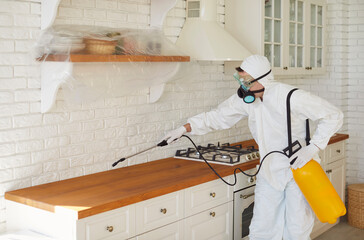
Professional Pressure Washing Services for a Cleaner and Brighter Property

Maintaining a clean and visually appealing property requires more than routine sweeping or occasional washing. Over time, surfaces naturally accumulate dirt, grime, mold, mildew, pollen, and other contaminants that can diminish curb appeal and even contribute to long-term damage. Professional Pressure Washing Sugar Land services offer an efficient and effective solution for restoring the beauty and integrity of exterior surfaces. With specialized equipment, trained technicians, and proven cleaning techniques, these services can transform a dull property into a cleaner, brighter, and more welcoming environment. Whether it’s a residential home, commercial building, or industrial facility, pressure washing provides powerful results that standard cleaning methods simply cannot achieve.

pressure washing

A cleaner property doesn’t just improve appearance—it also plays a significant role in health, safety, and structural protection. Dirt buildup and mold growth can create slipping hazards, contaminate air quality, and cause early deterioration of materials. By investing in professional pressure washing, property owners can take proactive steps to preserve their investment, reduce maintenance costs, and ensure a safer outdoor environment. Regular pressure washing is particularly crucial for high-traffic areas such as driveways, walkways, parking lots, patios, and building exteriors where dirt and debris accumulate quickly. When performed correctly, this service helps maintain the value of the property and reduces the likelihood of expensive repairs in the future.

Professional pressure washing services are designed to handle a wide variety of surfaces using techniques that prevent damage and maximize cleaning efficiency. Trained specialists understand the appropriate water pressure levels and cleaning solutions needed for materials such as concrete, brick, wood, vinyl, and metal. Attempting to pressure wash without proper knowledge can lead to issues such as surface erosion, structural weakening, or paint damage. Professionals use industry-grade equipment and detergents to ensure thorough cleaning without compromising the integrity of the surfaces. This level of precision allows them to tackle even the toughest stains, from oil spills and algae growth to rust marks and weather stains.

One of the most significant advantages of professional pressure washing is the improvement of curb appeal. A property’s exterior is often the first thing guests, customers, or potential buyers notice. Clean surfaces contribute to a well-maintained appearance that can positively influence first impressions. This is especially important for businesses that rely on customer visits or foot traffic, as a clean exterior can enhance credibility and professionalism. For homeowners, pressure washing revitalizes siding, decks, fences, and outdoor living areas, making them more enjoyable and visually attractive. Whether preparing for an event, seasonal changes, or simply routine upkeep, pressure washing provides a noticeable transformation that elevates the overall aesthetic of the property.

Beyond appearance, pressure washing plays an essential role in protecting property materials from premature wear and deterioration. Contaminants such as mold, mildew, and algae not only look unsightly but also feed on surfaces, weakening structures and causing discoloration. Driveways and walkways are prone to staining from vehicles, weather changes, and organic materials, while roofs and gutters may collect debris that encourages mold growth. Regular cleaning helps prevent these issues by removing harmful elements before they cause lasting damage. This proactive maintenance approach extends the lifespan of exterior materials and reduces the likelihood of costly repairs or replacements.

Pressure washing services also offer environmental benefits when carried out by trained professionals. Many companies use eco-friendly detergents and cleaning solutions that effectively break down contaminants without harming plants, animals, or water sources. Additionally, professional equipment is more efficient, reducing water waste and ensuring that runoff is managed responsibly. Property owners who want to maintain a clean environment while minimizing environmental impact can rely on professionals who follow safe and responsible cleaning practices.

While pressure washing is highly effective, not all surfaces require the same level of force. For more delicate materials, professionals often use soft washing techniques—a low-pressure method combined with biodegradable cleaning agents. Soft washing is ideal for roofs, painted surfaces, and areas where high pressure could cause damage. This versatility allows professionals to clean a full range of property surfaces without risking harm. Understanding when to use pressure washing versus soft washing is essential for successful and safe cleaning, and professional technicians have the expertise to make these determinations accurately.

Professional pressure washing services cover a wide range of cleaning needs for both residential and commercial properties. Some of the most common applications include:

  1. Driveway and Walkway Cleaning – Removing stains, tire marks, dirt buildup, and moss growth to restore clean, safe walking and driving surfaces.
  2. Exterior Building Washing – Eliminating mold, mildew, and weather stains from siding, brick, stucco, or metal exteriors to enhance structural appearance and integrity.

Additional areas that benefit from pressure washing include patios, decks, fences, parking areas, pool decks, gutters, roofing shingles, and outdoor furniture. This versatility makes pressure washing one of the most valuable maintenance services for improving overall property cleanliness and functionality. Whether the goal is to prepare surfaces for painting, remove seasonal buildup, or simply maintain a tidy exterior, pressure washing offers reliable and effective solutions.

Businesses in particular benefit significantly from regular pressure washing, as clean exteriors help maintain a professional image. Dirty or stained surfaces can deter customers and affect the reputation of the establishment. Pressure washing can remove gum stains, graffiti, oil spills, and other contaminants that accumulate in commercial areas. It also helps businesses meet cleanliness standards, particularly in industries where sanitation is essential. A well-maintained exterior reflects a commitment to quality and care, positively influencing customer perceptions and supporting brand image.

Homeowners also find pressure washing invaluable for preserving property value and creating a pleasant environment. Decks, patios, and outdoor structures often accumulate mold and dirt from weather exposure, making them appear aged or neglected. Pressure washing restores these surfaces to their original condition, making outdoor spaces more functional and enjoyable. Whether preparing for a family gathering, a home sale, or routine seasonal cleaning, pressure washing provides an instant refresh that enhances the overall atmosphere of the home.

Seasonal maintenance is another critical area where pressure washing plays an essential role. Dirt, pollen, and organic matter can build up quickly after weather changes, especially following heavy rains or months of humidity. Regular cleaning prevents these contaminants from settling deeply into surfaces and causing long-term damage. Many property owners schedule pressure washing annually or semi-annually to maintain consistent cleanliness and prevent deterioration. This routine maintenance strategy ensures that surfaces remain in optimal condition year-round and reduces the need for intensive cleaning in the future.

Professional pressure washing services also help improve safety by eliminating slippery substances such as algae, mold, and moss. These materials can create hazardous conditions on walkways, driveways, decks, and pool areas, increasing the risk of slips and falls. Routine cleaning removes these hazards and promotes a safer environment for residents, employees, and visitors. Safety is especially important for businesses and public spaces, where liability concerns and foot traffic require consistent and thorough maintenance.

Another significant benefit of pressure washing is its ability to prepare surfaces for renovation or restoration projects. Before painting, sealing, or staining, surfaces must be thoroughly cleaned to ensure proper adhesion. Pressure washing removes old paint chips, dirt, and contaminants that could interfere with the application of new coatings. This preparation process improves the longevity and effectiveness of renovation projects, ensuring smooth and durable results.

In addition to surface cleaning, professional technicians can provide guidance on long-term property care strategies. They can identify areas that may require additional attention, such as clogged gutters, deteriorating siding, or areas prone to mold growth. This expert insight allows property owners to address problems early and maintain a well-cared-for exterior. With proper maintenance and periodic pressure washing, properties remain attractive, safe, and structurally sound for years to come.

Ultimately, professional pressure washing services offer a reliable and cost-effective way to maintain the cleanliness, beauty, and overall health of any property. The combination of specialized equipment, expert knowledge, and safe cleaning techniques ensures that surfaces are cleaned thoroughly without causing damage. Whether for residential or commercial settings, pressure washing provides an essential solution for enhancing curb appeal, preserving property value, and promoting a cleaner, brighter environment.

Property owners who incorporate pressure washing into their regular maintenance routine enjoy long-lasting benefits, from improved safety and enhanced appearance to increased property longevity. As a versatile and powerful cleaning method, pressure washing remains one of the most effective ways to keep exterior surfaces in excellent condition. Investing in professional services delivers measurable improvements and ensures the property continues to shine with cleanliness and charm throughout the year.

Visit our Professional Services Blogs

Smart Choice Plumbing And Air, Sanitize My Airducts, Bethesda Locksmith, Golden Coast Cleaners, Advanced Concrete Staining, Home Pool Cleaners, Brayhines Septic, Shaka Pool And Spa Cleaning,Mr Clean And Shine, Best Appliance Repair Long Beach, Gulf to Bay Water Remediation, Garage Door San Francisco, Richmond Flooring, Fence Builders Woodlands, Colorado Springs Auto, Fuel Frontlines, Expert 24 Option, Sacramento Roseville Real Estate, SLO Homes, Philadelphia Towing, State Powerwashing, Truck Tires Worldwide, Website Translation, Construction Company Farmington NM, Green Home Los Angeles, Trinity SEO Marketing, Electric Fireplaces, Argos Bookkeeping, Christopherson Drywall,Garage Door Installation, Missouri Personal Injury Lawyer Blog, Alvins Auto Body, Carpet Care Pros, Las Vegas Concrete, Clark Concrete Company, Deck Builders Missour City, Lechleitner Builders, Medical Health Insurance Policy, Royal Siding Windows, Carpet Steam Cleaners Review, Go Greeen Lawn Painting, Oakwood Skate Deck, Texas Home Remodeling And Painting, USA Home Repair Remodeling, Dream Home Remodeling Services, Brent Lawn Homes, Great Ernm Homes, Accelerated Orthodontic, Arctic Cooling And Heating, Baltimore Heating And Airconditioning

What Is Pest Control and How Does It Work to Protect Your Home

It only takes one small sign to change the way you feel about your home. A line of ants across the kitchen floor, scratching sounds behind the walls, or an unexpected pest sighting can quickly turn comfort into concern. Pests are more than just an inconvenience. They can damage property, contaminate food, and create an unhealthy environment if left untreated. Understanding what pest control is and how it works can help homeowners and businesses protect their spaces and prevent problems before they grow.

What Is Pest Control

Pest Control

Pest Control Grapevine TX is the process of managing, reducing, or eliminating unwanted pests from homes, businesses, and other properties. These pests may include insects, rodents, termites, and other organisms that can cause damage or health concerns.

The goal of pest control is not only to remove existing infestations but also to prevent future problems. Effective pest management focuses on identifying the source of the issue and creating a strategy that keeps pests from returning.

Pest control can involve different methods depending on the type of pest and the severity of the infestation. The process often combines inspection, treatment, monitoring, and prevention to achieve long term results.

Why Pest Control Is Important

Pest control plays a major role in maintaining a safe and healthy environment. Many pests carry bacteria or contaminants that can affect food, surfaces, and indoor air quality. This creates potential health risks for people and pets.

Property protection is another important reason for pest control. Rodents can chew through wiring and insulation, while termites can weaken wooden structures over time. Even small infestations can lead to costly repairs if not addressed quickly.

Comfort and peace of mind are also significant benefits. Living or working in a pest free environment creates a more pleasant experience and reduces stress caused by infestations.

In commercial settings, pest control is especially important for protecting reputation and maintaining cleanliness standards. Customers and employees expect clean and well maintained environments, and pests can quickly damage that trust.

Common Types of Pests

Different environments attract different types of pests. In homes, ants and cockroaches are among the most common insects. They are often drawn to food and moisture, making kitchens and bathrooms common problem areas.

Rodents such as mice and rats are another major concern. They can enter through small openings and quickly spread throughout walls, attics, and storage areas.

Termites are known for causing hidden structural damage. Because they often remain unnoticed for long periods, their impact can become severe before detection.

Other common pests include spiders, mosquitoes, fleas, bed bugs, and wildlife such as raccoons or squirrels. Each type of pest requires a different approach for effective control.

How Pest Control Works

Pest control works through a combination of inspection, treatment, and prevention. The process usually begins with identifying the type of pest and understanding the extent of the infestation.

An inspection helps locate nesting areas, entry points, and conditions that may be attracting pests. Once the problem is assessed, an appropriate treatment plan is selected.

Treatments vary depending on the situation. Some methods focus on trapping or removing pests directly, while others involve targeted applications that reduce pest activity. In many cases, prevention is equally important.

Sealing entry points, improving sanitation, and reducing moisture are common preventive measures. These steps help eliminate the conditions that allow pests to thrive.

Monitoring is another important part of the process. Regular inspections help ensure that pests do not return and allow for early detection if new activity appears.

Different Methods of Pest Control

There are several methods used in pest control, each designed for specific situations. Physical methods include traps, barriers, and exclusion techniques that prevent pests from entering a property.

Biological methods use natural predators or environmentally balanced solutions to control pest populations. This approach is often used in outdoor or agricultural settings.

Chemical treatments are another common option. These treatments are carefully selected and applied to target specific pests while minimizing unnecessary exposure.

Integrated pest management is a more comprehensive approach that combines multiple methods. It focuses on long term prevention and reducing reliance on a single treatment type.

The method chosen depends on the pest, the environment, and the level of infestation.

Signs You May Need Pest Control

Recognizing early signs of pest activity can help prevent larger infestations. Droppings are one of the most common indicators, especially for rodents and insects.

Chewed materials or damaged food packaging may also suggest pest activity. Strange odors or unusual noises in walls and ceilings can point to hidden infestations.

Seeing live pests during the day may indicate a growing population, especially for pests that are usually active at night. Nesting materials, grease marks, or small holes near entry points are also warning signs.

Responding quickly to these signs helps reduce damage and makes treatment more effective.

Benefits of Professional Pest Control

Professional pest control offers several advantages over temporary or do it yourself solutions. One of the biggest benefits is expertise. Professionals understand pest behavior and know how to identify hidden infestations.

Another benefit is efficiency. Proper treatments and preventive measures can often solve the problem faster and more effectively than trial and error methods.

Safety is also important. Handling pests and applying treatments incorrectly can create risks. Professional services use methods designed to address infestations while maintaining a safe environment.

Long term prevention is another major advantage. Professionals focus not only on removal but also on identifying and correcting the conditions that attract pests.

Preventing Future Pest Problems

Prevention is one of the most important parts of pest control. Keeping spaces clean and reducing access to food sources helps discourage pests from settling in.

Sealing cracks and gaps around doors, windows, and utility lines prevents pests from entering. Regular maintenance and inspections also help identify vulnerabilities before they become serious issues.

Proper waste management and moisture control are equally important. Pests are often attracted to standing water and poorly stored garbage.

Outdoor maintenance can also make a difference. Trimming vegetation and reducing clutter around the property limits hiding places and access points.

The Long Term Impact of Ignoring Pest Problems

Ignoring pest issues can lead to serious consequences over time. Small infestations often grow quickly, leading to greater property damage and higher repair costs.

Health risks may also increase as pests spread contaminants throughout the environment. Rodents, insects, and other pests can negatively affect hygiene and indoor air quality.

The emotional impact should not be overlooked either. Living with an infestation can create stress and discomfort, especially when the problem becomes difficult to control.

Taking action early helps avoid these complications and protects the long term condition of the property.

Conclusion

Pest control is an essential part of maintaining a safe, clean, and comfortable environment. By understanding what pest control is and how it works, homeowners and businesses can take proactive steps to prevent infestations and protect their properties.

From inspection and treatment to prevention and monitoring, effective pest management focuses on long term results. Addressing problems early and maintaining proper preventive measures helps reduce risks and improve overall quality of life.

A pest free environment is not just about convenience. It is about protecting health, preserving property, and creating a space where people can feel secure and comfortable every day.

Navigation