Author: Gareth Horn

Breathing New Life: The Future of Air Conditioning Replacement

The comfort of a cool indoor space is something many take for granted. Yet behind that comfort is a system that works tirelessly and eventually wears down. Air conditioning replacement has become more than a simple necessity; it is now an opportunity to embrace innovation, efficiency, and sustainability. Replacing an old unit is no longer just about cooling a space but redefining how we live within it.

The lifespan of most cooling systems is limited, and over time, performance begins to decline. What was once efficient now struggles to maintain the same temperature levels without consuming excessive energy. Frequent repairs become costly, and older units often fail to meet modern standards. Replacement becomes the most practical and future-ready solution. Contact AIR CONDITIONING REPLACEMENT LOVELAND OH for professional help.

hvac

Technological advancements have transformed how new systems are designed and installed. Modern units offer smarter temperature control, energy optimization, and adaptive features that respond to environmental changes. They are built with durability and precision, making them more reliable and efficient. This evolution has shifted air conditioning replacement from a routine upgrade to a strategic decision.

Energy efficiency is one of the strongest motivations for replacement. Older systems often consume far more power than necessary, leading to higher utility bills and increased environmental impact. New models are engineered to use energy intelligently, providing consistent cooling while reducing consumption. This not only benefits the environment but also leads to significant long-term cost savings.

The rise of smart home technology has influenced replacement choices as well. Many modern systems can be controlled remotely through mobile devices, allowing users to monitor and adjust temperature settings from anywhere. Automated scheduling and learning capabilities adapt to daily routines, enhancing both comfort and convenience. This level of control was once unimaginable but is now a standard expectation.

Indoor air quality is another vital consideration in air conditioning replacement. Older units often circulate dust, allergens, and pollutants, compromising health and comfort. Modern replacements incorporate advanced filtration systems that improve indoor air quality dramatically. This makes a new unit not just a cooling solution but an investment in wellness.

The environmental impact of air conditioning cannot be ignored. Traditional refrigerants used in older units are often harmful to the atmosphere. Newer systems use eco-friendly alternatives that reduce greenhouse gas emissions. Choosing to replace an outdated unit is therefore an environmentally responsible decision that contributes to global sustainability goals.

Noise levels also influence the replacement decision. Aging units tend to become louder over time due to worn-out components and inefficient designs. Modern air conditioning systems operate quietly, maintaining a peaceful indoor environment. This enhanced comfort is especially valuable in homes, offices, and learning spaces where noise control is important.

Replacement also offers an opportunity to reassess cooling needs. Over the years, building layouts, insulation, and usage patterns may change, altering the required cooling capacity. Professionals can conduct load assessments to ensure the new system is properly sized and tailored to the space. This ensures optimal performance and eliminates unnecessary energy waste.

Installation techniques have evolved alongside technology. Modern systems are designed for faster, more precise installation with minimal disruption. Skilled technicians use advanced tools to ensure correct placement, airflow optimization, and seamless integration. A proper installation is critical to maximizing system lifespan and performance.

Regular maintenance is still essential, but new units require less frequent service. Built-in diagnostic tools can monitor system health and alert users to potential issues before they become costly problems. This proactive approach reduces downtime and extends the life of the investment. It also offers peace of mind knowing the system is always performing at its best.

Cost considerations often influence the decision to replace. While the upfront investment can seem significant, the long-term financial benefits are clear. Lower energy bills, fewer repairs, and potential tax incentives make replacement more cost-effective over time. Additionally, property value can increase with the installation of a modern, efficient cooling system.

Seasonal timing plays a role in replacement decisions, too. Many choose to upgrade during cooler months to avoid peak demand and ensure installation is completed before temperatures rise. This strategic timing allows for better scheduling flexibility and often lower installation costs. Planning makes the transition smooth and stress-free.

The future of air conditioning replacement will likely focus even more on sustainability and intelligent technology. Innovations like adaptive climate control, solar-assisted systems, and predictive maintenance will become mainstream. These features will enhance energy efficiency and reduce operational costs while delivering superior comfort. Staying ahead of these trends ensures a replacement decision remains relevant for years to come.

Commercial and industrial spaces are also rethinking their cooling strategies. Larger buildings require more complex systems that balance energy use, zoning, and airflow. Replacing outdated central systems with modular or scalable solutions allows for precise climate control across different areas. This level of customization was once limited but is now achievable with modern replacements.

The rise of green building standards has placed additional emphasis on energy-efficient cooling systems. New air conditioning units can help meet strict sustainability certifications, adding value to properties and businesses. These certifications demonstrate environmental responsibility and can enhance marketability. Replacing older systems is often a key step toward achieving such standards.

As populations grow and climates change, demand for efficient cooling will continue to rise. Future systems will need to balance performance with resource conservation, offering maximum comfort with minimal impact. This will push manufacturers to innovate even further, creating systems that redefine what replacement means. The decision to upgrade today is part of a larger shift toward sustainable living.

One overlooked benefit of replacement is the psychological comfort it provides. Knowing that a reliable, efficient, and safe system is in place reduces stress and enhances overall quality of life. It transforms spaces into sanctuaries of comfort, productivity, and relaxation. This intangible value is often more meaningful than any financial calculation.

Even aesthetic considerations play a part in replacement decisions. Modern units are more compact, stylish, and versatile, blending seamlessly with interior designs. They offer more installation options, from wall-mounted units to concealed ducted systems. This allows homeowners and designers greater flexibility in creating functional and visually appealing spaces.

For many, the decision to replace an air conditioning system marks a turning point. It’s a commitment to improved living standards, lower costs, and environmental responsibility. It’s a recognition that technology has evolved and that comfort can be reimagined in smarter, more sustainable ways. Replacement is no longer a response to failure — it’s a proactive step toward the future.

The process doesn’t end once the new system is installed. Proper usage habits, periodic maintenance, and system monitoring will ensure it operates efficiently for years. Educating users on best practices, such as setting optimal temperatures and cleaning filters, can further extend the system’s lifespan. This partnership between technology and user behavior is key to maximizing benefits.

Ultimately, air conditioning replacement is about more than cooling a space. It’s about embracing innovation, reducing environmental impact, and enhancing quality of life. It reflects an evolving relationship with technology — one that prioritizes comfort, sustainability, and intelligence. As homes and businesses become more connected and efficient, replacement will remain a cornerstone of that evolution.

Every new system installed today represents a step forward in how we live and work. It is a testament to progress, proof that technology can make daily life more comfortable and responsible. Air conditioning replacement, once seen as a routine task, is now a meaningful decision that shapes the future of comfort. And with each upgrade, we move closer to a world where cooling is not just convenient but truly transformative.
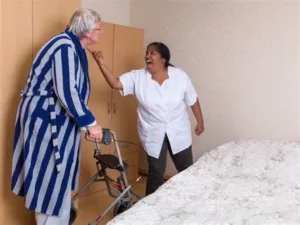
Hiring a Nursing Home Abuse Attorney

If your loved one has suffered from abuse or neglect while a resident of a nursing home, it is important to know who might be at fault. There are multiple parties that can be held accountable for your family member’s mistreatment, including staff members, other residents, and even outside workers.

Attorney

As the Baby Boomer generation enters retirement and begins to require care from nursing homes, it’s important for families to understand the risks associated with these facilities. Keep reading the article below to learn more about Nursing Home Abuse Attorney.

Abuse can include emotional abuse, physical abuse, and financial abuse. Emotional abuse can include threatening language or actions, changes to wills and power of attorney documents, and controlling behavior. Physical abuse can include punching, kicking, and hitting. It can also include abnormal bruises, cuts, and other physical harm.

Financial abuse can include unauthorized withdrawals from a loved one’s accounts or other forms of exploitation and swindling. This type of abuse often occurs because a caregiver or other person in a position of trust is looking to extort the hard-earned money of elderly individuals.

Neglect is a serious form of abuse that can occur in nursing homes. It involves the failure of caregivers or other fiduciaries to provide a senior with the essential goods and services necessary for their health and safety. It can also include improper hygiene, malnutrition, dehydration, and incidents where a resident wanders away from the facility (known as elopement).

Victims of elder abuse are often people of all races, cultures, gender expressions, sexual orientations, social classes, geographic areas, faith communities, mental capacities, and physical abilities. Abuse can have devastating effects on seniors and their loved ones, including physical ills, emotional distress, feelings of loneliness or depression, poor mental health, and premature death.

An experienced nursing home abuse lawyer can help families of those who are victims of these types of abuses find the justice they deserve. An attorney can investigate a case to determine who is responsible and pursue compensation for the monetary costs of the victim’s injuries and health care costs, including ongoing treatment needed to improve quality of life.

Dedicated to Protecting Your Rights

The legal system allows individuals to recover damages when a loved one is injured or killed due to nursing home neglect or abuse. When you hire an experienced nursing home abuse attorney, you can feel confident that your case will be handled with compassion and care. A top nursing home abuse attorney will also have the resources to build a strong legal strategy and secure the compensation you deserve.

Many cases of nursing home abuse go unreported. This is often because residents are afraid of retaliation by staff members or because they lack the ability to communicate their experiences due to dementia or other conditions. However, if you believe that your elderly loved one is being mistreated in a nursing home, it’s critical to report the abuse to the facility, local authorities, and Adult Protective Services.

Nursing home abuse can take multiple forms, including physical abuse, sexual abuse, emotional or verbal abuse, and neglect. Physical abuse can include the use of force against a resident or the unnecessary application of medication. Sexual abuse can involve non-consensual sex with a disabled or elderly person, and can result in bruised genitals, scratches, and other injuries. Emotional and verbal abuse involves belittling a person or using threats to inflict fear or anxiety. Neglect includes the failure to provide medical or hygiene care, and can lead to infections, dehydration, and other serious health issues.

A dedicated nursing home abuse attorney will work tirelessly to get justice for your loved one. They will thoroughly investigate the situation and document any evidence that supports your claim. They will help you pursue compensation for your loved one’s injuries and losses, which may include a loss of quality of life, lost income, and pain and suffering.

A dedicated New York nursing home abuse lawyer can make all the difference in a successful claim. A good lawyer will have a track record of success in nursing home abuse cases, and they will be committed to helping your family get the compensation you deserve. They will work with you closely to understand your loved one’s needs, and they will be ready to stand up for your rights in court if necessary.

Dedicated to Helping You Get the Compensation You Deserve

A skilled nursing home abuse lawyer will work tirelessly to obtain fair financial compensation for the injuries and damages incurred by your loved one. This is achieved through a thorough investigation and adherence to strict legal procedures. The attorney will seek restitution for medical expenses, emotional trauma, and a decline in quality of life. Punitive damages may also be awarded in severe cases to punish the abusive individuals and send a message that such misconduct will not be tolerated.

Many instances of abuse in long-term care facilities are unreported due to a lack of awareness, fear of retaliation by staff members, or dementia or incapacity of the victim. A South Jersey nursing home abuse attorney can conduct a thorough investigation into your loved one’s experiences to document any available evidence that could help with the case for compensation.

Elderly people deserve a safe and comfortable environment while receiving the necessary care they need. Unfortunately, this is not always the case as some nursing homes are guilty of abusing and neglecting their residents.

The experienced team at Mallilo & Grossman Attorneys at Law understands that discovering the abuse of your elderly loved one is distressing and frightening. They will guide you through the reporting process to local authorities and state departments of health, as well as pursuing legal action against the responsible parties. They will also assist you in obtaining necessary medical evaluations to help prove your claim and pursue maximum financial compensation.

In most cases, a nursing home abuse attorney will be able to settle the case out of court, which can be faster and less expensive than a trial. The lawyer will negotiate with the home’s insurance company or their legal team to ensure that your loved one receives a fair settlement that covers all their damages.

When selecting a nursing home abuse attorney, look for an individual with experience handling the type of case you have and a track record of success. Ask for referrals from family and friends, or check out online directories like Avvo or Martindale-Hubbell. Also, consider asking for a free consultation to see how well they communicate with their clients and what their approach is to the case.

Experienced in Negotiating Settlements

A nursing home abuse attorney is able to negotiate settlements for compensation to cover financial losses, as well as pain and suffering damages resulting from emotional trauma. In addition to monetary awards, these attorneys can also assist with finding safe placement for your loved one outside of the abusive facility, which could include living with you or another family member.

Abuse can take many forms in a long-term care facility, including physical violence, sexual assault, neglect, and financial exploitation. It is important for families to know the different types of abuse and understand how to recognize the warning signs of each type of mistreatment.

Physical abuse may include hitting, slapping, or any form of physical harm inflicted on a resident by staff members or other residents. Neglect and maltreatment can include failing to provide adequate food, medication, or care, which can result in serious medical problems, infections, or even death. Emotional and verbal abuse can be incredibly damaging, as the elderly are often vulnerable and may not be able to defend themselves against unwanted or harassing actions by staff members. Belittling them, making threats, humiliating them in front of their peers, or even berating them for their disabilities are all forms of emotional abuse.

If you notice unexplained changes in your loved one’s behavior, especially if they seem tired, depressed, or anxious, it may be a sign of nursing home abuse. In some cases, the only outward sign of abuse may be bruising or other injuries that are hard to see. It is important to seek legal intervention as soon as you suspect any abuse or neglect, as a personal injury lawsuit must be filed within three years of the injury in order to receive a compensation verdict.

An experienced nursing home abuse attorney can help you file a claim against the responsible parties. A successful lawsuit requires demonstrating a duty of care, a breach of that duty, causation linking the breach to the injury, and actual damages. The attorney can use expert evaluations, medical records, witness statements, and more to build a strong case in your favor and secure maximum compensation.

Visit our Professional Services Blogs

Chris Atkins Lawncare, Atticus Landscaping, Treasure Coast Pressure Wash, Gulf Beach Plumbing, Marlborough Plumbing, Guns And Hoses Pressure Washing, Ambrose Construction, Coral Gables Pressure Washing, Willco Photography, Roofing Akron, Danalogsdon Roofing El Cajon, EC Siding Roofing Windows, Aurora Gutter, American Insurance Source, ECO, etdn, Denison Service League,  Roofing Blog, Atlantic Vinyl Windows, Brookshires Fireplaces, JD Advanced Remodeling, Product Judgment, Master Dry Foundation Repair, Moe’s Hip, Elta Patio Paramount, Rock Around The Clock Festival, Learn, Play, Beyond, MoralesT Gardening, Car Window Tinting Perth, Duncan Carpentry, Gatestone Lighting, Mid Missouri Mold Inspections, Stucco Repair Albuquerque, Wausau Siding Hire, Munster Tree Care, Blue Granite Homes, Custom House, CENTRAL OS, Atlanta Pavers, Phillips Law Firm, Brent Ryder MasonryWalker Construction Drywall Division, RJ Law, Caledon Plumbing, DDS Tech USA, Maine Mortgage Services, Inckpen, Seasons at Rose Creek, Cottonwood Place Dental, Cosmetic Laser 2000 

Energy-Efficient Home Improvements That Lower Your Utility Bills

J&R Construction

A home or building’s energy costs can be lowered by installing affordable energy upgrades. These include sealing air leaks, upgrading old appliances to ENERGY STAR qualified models, and switching to LED lighting.

Homes that offer built-in savings on energy bills will make a good impression on buyers. Your real estate agent can help you highlight features like ENERGY STAR certifications and home energy audits. Contact J&R Construction for more information.

1. Add Insulation

Home energy efficiency upgrades are a powerful way to reduce your ConEd bills and build a sustainable abode for the future. Whether you’re a homeowner or renter, energy-saving strategies like upgrading to LED lighting, sealing air leaks, and tackling standby loads (devices that consume power even when turned off) can give you significant savings without permanent home modifications. Adding insulation is also one of the most impactful energy-efficient home improvements you can make.

The majority of homes in the U.S. are under-insulated, resulting in wasted energy and higher utility bills. The good news is, a well-sealed and insulated home can save up to 10% on heating and cooling costs. To boost your home’s efficiency, start with air sealing and insulating, which can be done for a fraction of the cost of other renovations.

Residents can qualify for low- and no-cost home energy assessments and insulation upgrades through the EmPower+ program. Moreover, homeowners can leverage federal Inflation Reduction Act (IRA) tax credits and state programs that lower the upfront costs of many energy-saving upgrades.

A significant amount of heat escapes a home through its windows and doors, and upgrading to energy-efficient windows can significantly reduce your utility bills. Look for windows with the ENERGY STAR label to ensure that you’re getting the best efficiency value.

Upgrading to a more efficient electric appliances, including refrigerators, washing machines, dryers, and dishwashers can further reduce your utility bills. For example, an ENERGY STAR dishwasher uses 20% less energy than a standard model. For an even bigger bang for your buck, consider pairing your home appliances with solar energy. Solar panels can lower your ConEd bills, increase the sustainability of your abode, and provide value to a potential buyer.

2. Install Energy-Efficient Windows

Energy-efficient windows are a great home improvement option that not only lowers your energy bills, but can significantly increase your property value. In fact, a recent survey found that over half of real estate agents reported that buyers are interested in sustainability.

Windows are responsible for 25%-30% of residential heating and cooling use, so upgrading to energy-efficient windows is a smart investment. These windows minimize energy loss through conduction, radiation, condensation, and air leakage by using features like low-emissivity glass coatings and gas fills like argon or krypton. They also have tighter seals and insulated frames that help reduce heat transfer.

When choosing energy-efficient windows, make sure they have the ENERGY STAR label. This certification means they meet stringent energy efficiency guidelines and will save you money on your energy costs. In addition, some states offer a variety of tax incentives, rebates, and discounts for homeowners who install energy-efficient windows in their homes.

Before installing new windows, a professional installer will carefully prep the window opening and frame to ensure that it’s properly aligned and sealed. They’ll also use shims to adjust the alignment and to ensure that the window can close and open easily, minimizing drafts. Once the window is positioned, it’s then installed with the proper trim to give it a finished look.

Another easy way to improve your home’s energy efficiency is by adding or replacing skylights. These light sources brighten interior spaces and can help you save on the energy used for indoor lighting, while allowing more natural sunlight into your home. Depending on where you live, you may qualify for an IRA tax credit that covers 30% of the cost of new energy-efficient skylights (up to $600), providing additional savings on your initial installation costs.

3. Install Energy-Efficient Doors

Adding energy-efficient doors to your home is an eco-friendly way to improve your home’s comfort and efficiency. These durable, long-lasting upgrades reduce utility costs and carbon footprint, making your brownstone more attractive to environmentally conscious buyers.

Energy-efficient front doors are made with low U-factors, which reduce the amount of heat that escapes your home during colder months and warm air in warmer ones. By making a smart upgrade to your front door, you can save on energy bills and increase your property’s value in the long run.

The best place to start when improving your home’s energy efficiency is through a professional home energy audit. A professional will recommend the most cost-effective ways to make your building more comfortable, including air sealing and insulating the attic and basement.

Drafts, leaking windows and doors, and old insulation are common causes of energy waste in homes. Sealing these leaks with caulk, spray foam, and weather stripping can drastically cut your heating and cooling costs. Adding more insulation in the attic, basement, and walls is another great way to reduce your energy bills, and installing new windows and doors will also help.

When you invest in new, energy-efficient windows and doors for your home, you may qualify for tax rebates, credits, and incentives to lower the initial investment costs. Check out NYSERDA’s list of programs to see what options are available for your home, based on location and household income.

4. Install Energy-Efficient Appliances

Energy-efficient appliances use less electricity, resulting in lower utility bills. Replacing older appliances with newer models labelled with the ENERGY STAR® label will cut your electric bills significantly. For example, replacing an old refrigerator that uses 11% of your household’s total energy budget with a new ENERGY STAR model could save you $450 over its lifespan.

You can also improve your home’s energy efficiency by reducing the amount of electricity your washer, dryer, dishwasher, and other household appliances consume. Installing a programmable thermostat will help you reduce your energy consumption by allowing you to set temperatures for times when you are home, and when you are not. You can also make your appliances more efficient by running them during off-peak hours, when utility rates are lower.

Homes that are highly energy-efficient offer many benefits for their occupants, such as a more comfortable indoor environment and lower maintenance costs. Moreover, they are often healthier because advanced ventilation systems help to maintain consistent indoor air temperatures and humidity levels.

If you are planning a home improvement project, make sure that it is made with energy efficiency in mind. Consider using ENERGY STAR appliances and a programmable thermostat, as well as adding weather stripping and caulking to your home to reduce drafts. Additionally, consider switching to LED lighting, which uses a fraction of the energy that traditional incandescent bulbs do.

Energy-efficient improvements are one of the best ways to reduce greenhouse gas emissions, which contribute to climate change. Making these upgrades will not only lower your electricity bills but will also add value to your home, making it more attractive to potential buyers.

5. Install Energy-Efficient Lighting

Lighting accounts for around 15% of your home’s electricity use. Swapping out traditional bulbs with energy-efficient ones can significantly reduce this number, saving you money on your monthly ConEd bill. Additionally, these bulbs are built to last. Most can go for more than a decade without needing replacement.

Many of these energy-saving upgrades can also qualify you for tax credits, helping to offset the cost of the upgrade. The Energy Efficient Home Improvement Credit is available through the end of 2025, as well as the Residential Clean Energy Credit which offers up to a 30 percent income tax credit for alternative energy equipment like solar panels and storage batteries.

Energy-saving upgrades aren’t only a great way to lower your ConEd bills, but they can also increase the value of your home and help you leave a smaller environmental footprint. Homeowners can take advantage of a wide range of federal and State programs that can further reduce the cost of these upgrades.

The best way to determine the most effective energy-saving home improvements is by conducting a professional home energy assessment, also known as an energy audit. These assessments are free or low-cost and will provide you with a top-to-bottom look at where your home is wasting energy.

Navigation