Pressure washing uses forceful jets of water to clean mud, grime, dust, mildew, loose paint, moss, and algae from surfaces. It’s not just about curb appeal, though – it also helps prevent damage and improves safety.
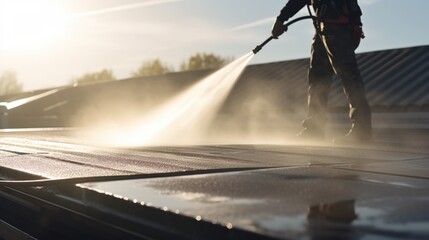
Bird droppings, mold growth, and dirt build-up may look unattractive, but they can wear away at a building, leading to further problems. Regular cleaning by pressure washing can avoid this.
Driveways
Your driveway is the entryway to your home, and regular pressure washing helps it look its best. It also protects the surface from damage by removing dirt, mildew, algae, and oil spills. When these contaminants seep into the porous concrete or asphalt, they erode and weaken the structure, leading to cracks and fissures. Regular cleaning prevents the build-up of these harmful substances, prolonging your driveway’s lifespan.
Before starting to pressure wash your driveway, it’s important to remove loose debris and items with a stiff-bristled broom or leaf blower. You should also wear protective gear like goggles, gloves, and rubber-soled shoes. Finally, place garbage bags or plastic sheets around areas that you don’t want to get wet.
Driveway pressure washing is a delicate balancing act, requiring careful use of chemicals and water pressure to avoid damaging the material. If your driveway is made of concrete, for example, it requires a gentle touch and detergents that respect its porosity.
Sidewalks
A dirty sidewalk can detract from your property’s curb appeal and may even be a safety hazard. Fungus, mold, and other debris can create a slippery surface that can lead to injuries for anyone who ventures onto your walkway.
Fortunately, a power washer with the correct PSI and nozzle can effectively remove these contaminants without damaging the concrete surface of your sidewalk. Be sure to test the pressure on a small, inconspicuous area before completing a full cleaning. Additionally, use a rotary nozzle that allows you to adjust the speed of the water as needed to clean different areas of your sidewalk.
It’s also important to clear away any furniture or planters from your sidewalk before pressure washing. Leaving these items in place could result in damage to your property from the water pressure or from falling cleaning solutions. Keeping your sidewalks cleaned regularly can help you avoid costly repairs or replacements in the future.
Decks
Wooden decks require regular cleaning to prevent mold, mildew, and other impurities from damaging the material. Pressure washing removes these substances and leaves behind a clean, refreshed appearance. It is important to use the right pressure setting and nozzle to avoid damage. Too much pressure can splinter or gouge the surface, while too little pressure can leave etch marks. A professional can help you determine the best settings for your specific deck materials.
It’s also a good idea to hire a professional to power wash your deck before you stain it. This will ensure that the new stain absorbs evenly into the wood. Additionally, cleaning the deck will remove any dirt and debris that would otherwise be soaked up by the stain.
If you’re cleaning your deck, be sure to follow the manufacturer’s recommendations on how often and with what type of pressure washing tool to clean the material. Also, don’t forget to close any electrical components and cover outdoor lighting fixtures near the deck so that water doesn’t come in contact with them.
Patios
Professional pressure washing services offer a reliable, safe, and effective way to clean patio pavers and other outdoor surfaces. They can help remove moss from a brick patio to prevent erosion and reseal the pavers after cleaning to protect them from future damage.
Sweeping a patio before pressure washing is crucial to a thorough result. This helps to loosen stubborn dirt and grime that can be difficult to rinse away. Frequent sweeping also reduces the likelihood of future stains caused by surface debris.
A pressure washer with a wide fan nozzle and a 45-degree spray angle is ideal for patios. This pattern spreads the water and cleaner more evenly, minimizing the risk of damaging the patio materials. It is important to follow the manufacturer’s recommendations for both the pressure and nozzle settings. This ensures that the cleaning is done without causing unnecessary damage. After washing and rinsing, it is important to let the pavers dry completely before returning furniture or foot traffic.
Siding
Siding is a key feature that speaks to your property’s curb appeal and its value. As such, it needs to be cleaned often to keep dirt, moss, mildew and other debris from deteriorating the surface. Regular cleaning also reduces the need for re-staining, re-painting and other costly home maintenance.
Before you start washing, it’s important to inspect your siding for any cracks or damage that could be caused by the pressure washer. If you spot any issues, make sure to repair them before proceeding with the pressure wash. You’ll also want to remove any furniture, grills, and outdoor accessories that are close to the siding. This will protect them from water spray and prevent any potential damage.
When it comes to cleaning siding, it’s best to work from top to bottom. This ensures that any dirt or grime washed off doesn’t re-soil areas you’ve already cleaned. Using a pressure washer with a low setting, start at the top of your house and work your way down to the bottom.
Gutters
Gutters are often neglected, but it’s important to clean them twice a year to prevent clogs. Rather than risk falling off a ladder to do this yourself, a professional pressure washing service can help. Using a gutter cleaning attachment on the end of the pressure washer wand, they can rinse away debris and dirt before applying cleaning detergent.
A professional will typically use a lower PSI to avoid damaging your gutters or forcing water under the shingles. They will also take care not to spray the soffits, which can encourage mildew growth.
If you decide to pressure wash your gutters, make sure you have the right equipment and safety gear. A hat, safety glasses, long pants and sleeves, and ear protection will help protect you from flying debris. You’ll also need a bucket for the detergent solution and tarps or drop cloths to cover nearby plants and surfaces.