Tag: home improvement

Cabinet Refinishing Design Ideas to Transform Your Kitchen Style

San Jose Cabinet Refinishing
Cabinet Refinishing

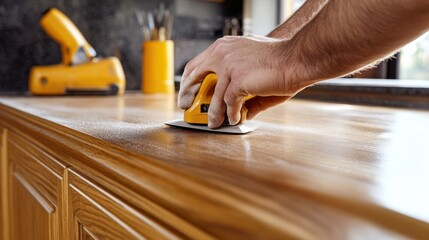
The moment you walk into your kitchen, your cabinets are one of the first things you notice. They set the tone for the entire space, influencing both style and atmosphere. If your cabinets feel outdated or worn, you might think a full replacement is the only solution.

In reality, San Jose Cabinet Refinishing design offers a creative and cost effective way to completely refresh your kitchen’s look. With the right design choices, you can turn old cabinets into a stunning focal point that feels brand new.

What Is Cabinet Refinishing Design

Cabinet refinishing design focuses on updating the visual appearance of existing cabinets through finishes, colors, textures, and decorative details. Instead of replacing cabinets, this approach enhances their exterior to match a desired style.

It combines creativity with practical upgrades, allowing you to experiment with modern trends or timeless aesthetics. From color selection to surface finishes, every design choice contributes to the final result.

This approach is ideal for homeowners who want a transformation without the expense and disruption of a full renovation.

Choosing the Right Color Scheme

Color plays a major role in cabinet refinishing design. The right color can completely change the mood and perception of your kitchen. Light colors such as white or soft gray can make the space feel larger and more open.

Darker tones like navy or charcoal create a bold and sophisticated look. These colors can add depth and contrast, especially when paired with lighter countertops or walls.

Two tone designs are also popular. Using one color for upper cabinets and another for lower cabinets adds visual interest and balance. This approach allows for creativity while maintaining a cohesive design.

The key is to choose colors that complement the rest of your kitchen elements, including flooring, backsplash, and appliances.

Exploring Different Finishes

The finish you choose can significantly impact the overall appearance of your cabinets. A matte finish offers a smooth and modern look, while a glossy finish reflects light and creates a more polished appearance.

Satin finishes are a popular middle ground, providing a subtle sheen that works well in many styles. Each finish has its own characteristics and maintenance requirements.

Distressed finishes are another option for those who prefer a rustic or vintage feel. This design adds texture and character, making the cabinets look intentionally aged.

Wood stains are ideal for showcasing natural grain patterns. They enhance the beauty of the material while adding warmth to the space.

Adding Decorative Details

Cabinet refinishing design is not just about color and finish. Decorative details can elevate the overall look and make your cabinets stand out. Adding trim or molding can create a more refined and custom appearance.

Glass inserts are another popular option. They break up solid cabinet fronts and allow you to display items inside. This adds depth and visual variety to your kitchen.

Updating hardware is one of the simplest yet most effective design changes. New handles or knobs can instantly modernize the look of your cabinets. Choosing finishes that match other elements in the kitchen helps create a cohesive design.

Open shelving can also be incorporated into the design. Replacing a few cabinet doors with shelves creates a more open and airy feel.

Matching Cabinet Design with Kitchen Style

A successful cabinet refinishing design should align with the overall style of your kitchen. For a modern look, clean lines and neutral colors work best. Minimalistic hardware and smooth finishes enhance this style.

Traditional kitchens often feature warm tones, detailed molding, and classic finishes. Refinishing can help emphasize these elements while refreshing the overall appearance.

For a rustic style, natural wood finishes and textured surfaces create a cozy and inviting atmosphere. Distressed details can add authenticity and charm.

Transitional designs combine elements from different styles. This approach allows for flexibility, blending modern simplicity with traditional warmth.

Popular Cabinet Refinishing Design Trends

Cabinet design trends continue to evolve, offering new inspiration for refinishing projects. One popular trend is the use of bold accent colors. Adding a striking color to an island or lower cabinets can create a focal point.

Neutral palettes remain a favorite choice for their timeless appeal. Soft whites, grays, and beiges provide a clean and versatile backdrop.

Another trend is the use of natural textures. Wood grain finishes and organic materials bring warmth and balance to modern spaces.

Minimalist designs are also gaining popularity. Simple lines, hidden hardware, and uncluttered surfaces create a sleek and contemporary look.

Common Design Mistakes to Avoid

While cabinet refinishing design offers many possibilities, certain mistakes can affect the final result. One common issue is choosing colors that clash with other elements in the kitchen. Ensuring harmony between all components is essential.

Another mistake is overcomplicating the design. Too many colors or decorative features can make the space feel cluttered. A balanced approach helps maintain a clean and cohesive look.

Ignoring lighting is another concern. The way light interacts with cabinet colors and finishes can change their appearance. Testing samples in different lighting conditions can help you make better decisions.

Neglecting functionality can also be a problem. While aesthetics are important, cabinets should remain practical and easy to use.

Maintaining Your Cabinet Design

Once your cabinets are refinished, proper maintenance helps preserve their appearance. Regular cleaning prevents buildup and keeps surfaces looking fresh.

Using gentle cleaning products ensures that the finish is not damaged over time. Avoiding harsh chemicals helps maintain the quality of the surface.

Addressing minor wear early can also extend the life of your cabinets. Small touch ups can keep them looking new and prevent larger issues.

Maintaining consistency in care ensures that your cabinet design continues to enhance your kitchen for years to come.

Conclusion

Cabinet refinishing design is a powerful way to transform your kitchen without the need for a full replacement. By focusing on colors, finishes, and decorative details, you can create a space that reflects your style and meets your needs.

With thoughtful planning and attention to detail, refinished cabinets can become a standout feature that elevates the entire room. The right design choices not only improve aesthetics but also enhance functionality and comfort.

A well executed cabinet refinishing design proves that even small changes can have a big impact. It allows you to refresh your space and enjoy a kitchen that feels both updated and uniquely yours.

Energy-Efficient Home Improvements That Lower Your Utility Bills

J&R Construction

A home or building’s energy costs can be lowered by installing affordable energy upgrades. These include sealing air leaks, upgrading old appliances to ENERGY STAR qualified models, and switching to LED lighting.

Homes that offer built-in savings on energy bills will make a good impression on buyers. Your real estate agent can help you highlight features like ENERGY STAR certifications and home energy audits. Contact J&R Construction for more information.

1. Add Insulation

Home energy efficiency upgrades are a powerful way to reduce your ConEd bills and build a sustainable abode for the future. Whether you’re a homeowner or renter, energy-saving strategies like upgrading to LED lighting, sealing air leaks, and tackling standby loads (devices that consume power even when turned off) can give you significant savings without permanent home modifications. Adding insulation is also one of the most impactful energy-efficient home improvements you can make.

The majority of homes in the U.S. are under-insulated, resulting in wasted energy and higher utility bills. The good news is, a well-sealed and insulated home can save up to 10% on heating and cooling costs. To boost your home’s efficiency, start with air sealing and insulating, which can be done for a fraction of the cost of other renovations.

Residents can qualify for low- and no-cost home energy assessments and insulation upgrades through the EmPower+ program. Moreover, homeowners can leverage federal Inflation Reduction Act (IRA) tax credits and state programs that lower the upfront costs of many energy-saving upgrades.

A significant amount of heat escapes a home through its windows and doors, and upgrading to energy-efficient windows can significantly reduce your utility bills. Look for windows with the ENERGY STAR label to ensure that you’re getting the best efficiency value.

Upgrading to a more efficient electric appliances, including refrigerators, washing machines, dryers, and dishwashers can further reduce your utility bills. For example, an ENERGY STAR dishwasher uses 20% less energy than a standard model. For an even bigger bang for your buck, consider pairing your home appliances with solar energy. Solar panels can lower your ConEd bills, increase the sustainability of your abode, and provide value to a potential buyer.

2. Install Energy-Efficient Windows

Energy-efficient windows are a great home improvement option that not only lowers your energy bills, but can significantly increase your property value. In fact, a recent survey found that over half of real estate agents reported that buyers are interested in sustainability.

Windows are responsible for 25%-30% of residential heating and cooling use, so upgrading to energy-efficient windows is a smart investment. These windows minimize energy loss through conduction, radiation, condensation, and air leakage by using features like low-emissivity glass coatings and gas fills like argon or krypton. They also have tighter seals and insulated frames that help reduce heat transfer.

When choosing energy-efficient windows, make sure they have the ENERGY STAR label. This certification means they meet stringent energy efficiency guidelines and will save you money on your energy costs. In addition, some states offer a variety of tax incentives, rebates, and discounts for homeowners who install energy-efficient windows in their homes.

Before installing new windows, a professional installer will carefully prep the window opening and frame to ensure that it’s properly aligned and sealed. They’ll also use shims to adjust the alignment and to ensure that the window can close and open easily, minimizing drafts. Once the window is positioned, it’s then installed with the proper trim to give it a finished look.

Another easy way to improve your home’s energy efficiency is by adding or replacing skylights. These light sources brighten interior spaces and can help you save on the energy used for indoor lighting, while allowing more natural sunlight into your home. Depending on where you live, you may qualify for an IRA tax credit that covers 30% of the cost of new energy-efficient skylights (up to $600), providing additional savings on your initial installation costs.

3. Install Energy-Efficient Doors

Adding energy-efficient doors to your home is an eco-friendly way to improve your home’s comfort and efficiency. These durable, long-lasting upgrades reduce utility costs and carbon footprint, making your brownstone more attractive to environmentally conscious buyers.

Energy-efficient front doors are made with low U-factors, which reduce the amount of heat that escapes your home during colder months and warm air in warmer ones. By making a smart upgrade to your front door, you can save on energy bills and increase your property’s value in the long run.

The best place to start when improving your home’s energy efficiency is through a professional home energy audit. A professional will recommend the most cost-effective ways to make your building more comfortable, including air sealing and insulating the attic and basement.

Drafts, leaking windows and doors, and old insulation are common causes of energy waste in homes. Sealing these leaks with caulk, spray foam, and weather stripping can drastically cut your heating and cooling costs. Adding more insulation in the attic, basement, and walls is another great way to reduce your energy bills, and installing new windows and doors will also help.

When you invest in new, energy-efficient windows and doors for your home, you may qualify for tax rebates, credits, and incentives to lower the initial investment costs. Check out NYSERDA’s list of programs to see what options are available for your home, based on location and household income.

4. Install Energy-Efficient Appliances

Energy-efficient appliances use less electricity, resulting in lower utility bills. Replacing older appliances with newer models labelled with the ENERGY STAR® label will cut your electric bills significantly. For example, replacing an old refrigerator that uses 11% of your household’s total energy budget with a new ENERGY STAR model could save you $450 over its lifespan.

You can also improve your home’s energy efficiency by reducing the amount of electricity your washer, dryer, dishwasher, and other household appliances consume. Installing a programmable thermostat will help you reduce your energy consumption by allowing you to set temperatures for times when you are home, and when you are not. You can also make your appliances more efficient by running them during off-peak hours, when utility rates are lower.

Homes that are highly energy-efficient offer many benefits for their occupants, such as a more comfortable indoor environment and lower maintenance costs. Moreover, they are often healthier because advanced ventilation systems help to maintain consistent indoor air temperatures and humidity levels.

If you are planning a home improvement project, make sure that it is made with energy efficiency in mind. Consider using ENERGY STAR appliances and a programmable thermostat, as well as adding weather stripping and caulking to your home to reduce drafts. Additionally, consider switching to LED lighting, which uses a fraction of the energy that traditional incandescent bulbs do.

Energy-efficient improvements are one of the best ways to reduce greenhouse gas emissions, which contribute to climate change. Making these upgrades will not only lower your electricity bills but will also add value to your home, making it more attractive to potential buyers.

5. Install Energy-Efficient Lighting

Lighting accounts for around 15% of your home’s electricity use. Swapping out traditional bulbs with energy-efficient ones can significantly reduce this number, saving you money on your monthly ConEd bill. Additionally, these bulbs are built to last. Most can go for more than a decade without needing replacement.

Many of these energy-saving upgrades can also qualify you for tax credits, helping to offset the cost of the upgrade. The Energy Efficient Home Improvement Credit is available through the end of 2025, as well as the Residential Clean Energy Credit which offers up to a 30 percent income tax credit for alternative energy equipment like solar panels and storage batteries.

Energy-saving upgrades aren’t only a great way to lower your ConEd bills, but they can also increase the value of your home and help you leave a smaller environmental footprint. Homeowners can take advantage of a wide range of federal and State programs that can further reduce the cost of these upgrades.

The best way to determine the most effective energy-saving home improvements is by conducting a professional home energy assessment, also known as an energy audit. These assessments are free or low-cost and will provide you with a top-to-bottom look at where your home is wasting energy.

Navigation