It only takes one small sign to change the way you feel about your home. A line of ants across the kitchen floor, scratching sounds behind the walls, or an unexpected pest sighting can quickly turn comfort into concern. Pests are more than just an inconvenience. They can damage property, contaminate food, and create an unhealthy environment if left untreated. Understanding what pest control is and how it works can help homeowners and businesses protect their spaces and prevent problems before they grow.
What Is Pest Control
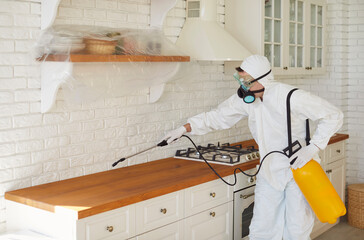
Pest Control Grapevine TX is the process of managing, reducing, or eliminating unwanted pests from homes, businesses, and other properties. These pests may include insects, rodents, termites, and other organisms that can cause damage or health concerns.
The goal of pest control is not only to remove existing infestations but also to prevent future problems. Effective pest management focuses on identifying the source of the issue and creating a strategy that keeps pests from returning.
Pest control can involve different methods depending on the type of pest and the severity of the infestation. The process often combines inspection, treatment, monitoring, and prevention to achieve long term results.
Why Pest Control Is Important
Pest control plays a major role in maintaining a safe and healthy environment. Many pests carry bacteria or contaminants that can affect food, surfaces, and indoor air quality. This creates potential health risks for people and pets.
Property protection is another important reason for pest control. Rodents can chew through wiring and insulation, while termites can weaken wooden structures over time. Even small infestations can lead to costly repairs if not addressed quickly.
Comfort and peace of mind are also significant benefits. Living or working in a pest free environment creates a more pleasant experience and reduces stress caused by infestations.
In commercial settings, pest control is especially important for protecting reputation and maintaining cleanliness standards. Customers and employees expect clean and well maintained environments, and pests can quickly damage that trust.
Common Types of Pests
Different environments attract different types of pests. In homes, ants and cockroaches are among the most common insects. They are often drawn to food and moisture, making kitchens and bathrooms common problem areas.
Rodents such as mice and rats are another major concern. They can enter through small openings and quickly spread throughout walls, attics, and storage areas.
Termites are known for causing hidden structural damage. Because they often remain unnoticed for long periods, their impact can become severe before detection.
Other common pests include spiders, mosquitoes, fleas, bed bugs, and wildlife such as raccoons or squirrels. Each type of pest requires a different approach for effective control.
How Pest Control Works
Pest control works through a combination of inspection, treatment, and prevention. The process usually begins with identifying the type of pest and understanding the extent of the infestation.
An inspection helps locate nesting areas, entry points, and conditions that may be attracting pests. Once the problem is assessed, an appropriate treatment plan is selected.
Treatments vary depending on the situation. Some methods focus on trapping or removing pests directly, while others involve targeted applications that reduce pest activity. In many cases, prevention is equally important.
Sealing entry points, improving sanitation, and reducing moisture are common preventive measures. These steps help eliminate the conditions that allow pests to thrive.
Monitoring is another important part of the process. Regular inspections help ensure that pests do not return and allow for early detection if new activity appears.
Different Methods of Pest Control
There are several methods used in pest control, each designed for specific situations. Physical methods include traps, barriers, and exclusion techniques that prevent pests from entering a property.
Biological methods use natural predators or environmentally balanced solutions to control pest populations. This approach is often used in outdoor or agricultural settings.
Chemical treatments are another common option. These treatments are carefully selected and applied to target specific pests while minimizing unnecessary exposure.
Integrated pest management is a more comprehensive approach that combines multiple methods. It focuses on long term prevention and reducing reliance on a single treatment type.
The method chosen depends on the pest, the environment, and the level of infestation.
Signs You May Need Pest Control
Recognizing early signs of pest activity can help prevent larger infestations. Droppings are one of the most common indicators, especially for rodents and insects.
Chewed materials or damaged food packaging may also suggest pest activity. Strange odors or unusual noises in walls and ceilings can point to hidden infestations.
Seeing live pests during the day may indicate a growing population, especially for pests that are usually active at night. Nesting materials, grease marks, or small holes near entry points are also warning signs.
Responding quickly to these signs helps reduce damage and makes treatment more effective.
Benefits of Professional Pest Control
Professional pest control offers several advantages over temporary or do it yourself solutions. One of the biggest benefits is expertise. Professionals understand pest behavior and know how to identify hidden infestations.
Another benefit is efficiency. Proper treatments and preventive measures can often solve the problem faster and more effectively than trial and error methods.
Safety is also important. Handling pests and applying treatments incorrectly can create risks. Professional services use methods designed to address infestations while maintaining a safe environment.
Long term prevention is another major advantage. Professionals focus not only on removal but also on identifying and correcting the conditions that attract pests.
Preventing Future Pest Problems
Prevention is one of the most important parts of pest control. Keeping spaces clean and reducing access to food sources helps discourage pests from settling in.
Sealing cracks and gaps around doors, windows, and utility lines prevents pests from entering. Regular maintenance and inspections also help identify vulnerabilities before they become serious issues.
Proper waste management and moisture control are equally important. Pests are often attracted to standing water and poorly stored garbage.
Outdoor maintenance can also make a difference. Trimming vegetation and reducing clutter around the property limits hiding places and access points.
The Long Term Impact of Ignoring Pest Problems
Ignoring pest issues can lead to serious consequences over time. Small infestations often grow quickly, leading to greater property damage and higher repair costs.
Health risks may also increase as pests spread contaminants throughout the environment. Rodents, insects, and other pests can negatively affect hygiene and indoor air quality.
The emotional impact should not be overlooked either. Living with an infestation can create stress and discomfort, especially when the problem becomes difficult to control.
Taking action early helps avoid these complications and protects the long term condition of the property.
Conclusion
Pest control is an essential part of maintaining a safe, clean, and comfortable environment. By understanding what pest control is and how it works, homeowners and businesses can take proactive steps to prevent infestations and protect their properties.
From inspection and treatment to prevention and monitoring, effective pest management focuses on long term results. Addressing problems early and maintaining proper preventive measures helps reduce risks and improve overall quality of life.
A pest free environment is not just about convenience. It is about protecting health, preserving property, and creating a space where people can feel secure and comfortable every day.