Factors That Affect Surgeon Salaries

A surgeon is a highly skilled and specialized medical professional. They are trained to perform surgical procedures and monitor patients’ health. Surgeons work in a variety of settings, including hospitals and private practices.

Surgeon

Surgeons should also become involved in their national societies and be active participants at meetings. This is important for the advancement of their academic careers.

A surgeon is a medical doctor who performs surgical procedures to diagnose and treat various medical conditions. They use their extensive knowledge of anatomy, physiology, and medical techniques to perform operations that can save lives and improve the quality of life for patients. Surgeons work in a variety of settings, including hospitals, outpatient surgery centers, and private practices. They may also be on call for emergency cases. Surgeons must have a strong desire to help people and be willing to endure long hours of training and working with sharp instruments.

A successful career as a surgeon takes about 13 years. It begins with the completion of a high school education, followed by four years of medical school and a five-year residency. During this time, students are expected to pass the MCAT exam and gain valuable experience through volunteerism, medical internships, and related jobs. In addition, they must complete all state licensing requirements.

Surgeons must be familiar with all aspects of patient care, including evaluating medical histories and ordering diagnostic tests. They must also be able to communicate effectively with their patients and other healthcare professionals. Surgeons must be able to identify the best course of treatment for each patient, and they are often required to perform multiple surgeries in a day.

While all physicians receive some training in performing surgery, becoming a surgeon requires additional specialized education. After completing medical school, surgeons must undergo a lengthy residency program that lasts up to seven years. During this time, surgeons become proficient in a specific area of medicine, such as neurosurgery or cardiovascular surgery.

To become a surgeon, you must be a good communicator and have the ability to think critically and quickly. You must also be able to work in an environment with a lot of stress and high turnover rates. The job is demanding and can be dangerous, but it offers a great deal of personal satisfaction. The perks of being a surgeon include a competitive salary, excellent benefits, and the opportunity to save lives. Ultimately, the choice to become a surgeon is a personal one that you must make carefully.

Work environment

Surgeons face an array of challenges that can take a significant toll on their health and well-being. These include the demands of a demanding career, long hours, and high-stress situations. The work environment of a surgeon is crucial to maintaining physician wellbeing and ensuring the safety of patients. It’s important to find an environment that supports a healthy lifestyle. This can be done through various strategies, such as choosing a specialty that allows for flexible working hours or negotiating a schedule that provides more time off.

A growing emphasis on wellness in healthcare has opened the door for surgeons to prioritize their personal lives alongside their professional responsibilities. This is especially true for surgeons in highly demanding specialties. Surgeons can achieve a better work-life balance through strategies such as choosing more flexible surgical specialties, working part-time or on a locum tenens basis, and negotiating their schedules to allow more time off.

In addition to physical job demands, psychological and emotional stressors also contribute to the poor health and work performance of surgeons. This is a problem that affects both the surgeon and the patient, as well as the health care system as a whole. It can lead to burnout, which is a major risk factor for depression and other mental health conditions. In order to reduce these issues, the ACS is committed to fostering well-being, resilience, and work-life integration for surgeons at every stage of their careers.

Although a majority of surgeons reported that their physical state rarely affected their ability to cope with the physical job demands, one in seven had difficulty doing so due to impairments in their physical well-being. This translates into impaired work ability and a higher risk of sickness absence. It can also have a negative impact on patient safety and the quality of care (Roelen et al., 2007; Sell et al., 2009).

The ACS is dedicated to promoting the well-being of surgeons at every stage of their careers. In this regard, we are working to improve the physical and psychological work environment for our members through ergonomics research and other initiatives. Ergonomics is the science of designing work environments to fit workers and increase efficiency. This includes everything from room layout to operating equipment.

Job duties

The job duties of a surgeon include performing surgery to treat patients with illnesses, injuries and diseases. They also work with a team of other doctors, nurses and other healthcare professionals. They use a variety of medical devices to diagnose patients and perform operations. These professionals also provide follow-up care for patients. They may also be involved in research and training.

Surgeons must have the ability to think on their feet and solve complex problems. They must also be able to manage a team of medical professionals during emergency situations. They must be able to communicate with patients and their relatives. They must be able to identify the best procedures for each patient and explain their benefits and risks. They must be able to work under pressure and remain calm in stressful situations.

Some surgeons may choose to specialise in a certain field, such as plastic surgery or orthopaedic surgery. They may need to attend conferences and seminars to keep up with new techniques in their area of expertise. They must also be able to perform a range of administrative tasks, such as writing reports and dealing with insurance issues.

A good surgeon should have a wide knowledge of the human body and the ability to quickly learn new skills. They must be able to make or confirm accurate diagnoses and correctly perform surgical procedures. In some cases, surgeons are the only solution for patients with serious injuries and conditions. They must be able to cope with stress and work long hours.

After graduating from medical school, surgeons must complete a surgical residency. These residencies last for several years and allow them to gain more experience in their field of specialisation. They must also be certified by the board of their chosen medical specialty.

Surgeons can work in various types of healthcare settings, including hospitals, private practices and research institutions. In addition, they can choose to specialise in a particular field or work abroad. They can also be employed in the Armed Forces or by medical charities.

If a surgeon fails to carry out their duties adequately or competently, they could cause harm or even death to their patients. They might have their licence to practice revoked, which would ruin their career. They should always seek help when they feel they are in over their heads. They should also be aware of the risks associated with their job, such as exposure to working scalpels and needles, anaesthetic gases and radiation.

Salary

Whether you are planning to enter the medical profession or are a seasoned physician seeking to maximize your earnings, understanding the factors that influence surgeon salary is crucial. The financial landscape is constantly changing, influenced by new technology, policy changes, and shifting societal health needs. By proactively managing your finances, you can ensure that you are earning the best possible salary for your specialty.

The path to becoming a physician is rigorous and expensive, with most graduates owing tens of thousands of dollars in student debt. The first step is to earn a medical degree, followed by a four-year residency program. After graduating, you may choose to continue with your education and pursue a subspecialty in medicine. This can significantly increase your salary, but it also adds to your debt load. Having a solid savings strategy, including contributing to a retirement account early in your career, can help you pay down student debt and achieve financial stability throughout your lifetime.

A surgeon’s salary is based on their level of training, experience, and location. For example, an orthopedic surgeon with a subspecialty will have a higher salary than one who practices general surgery. Likewise, surgeons in rural areas are generally paid more than those in large cities. In addition, hospital and integrated delivery system-owned practices tend to offer the highest salaries.

Surgeons who practice locum tenens or in private practices can also earn higher salaries. However, they must factor in the cost of licensing, credentialing, and travel expenses. Despite these challenges, locum tenens surgeons report high job satisfaction, with most saying they would choose the field again.

In the United States, the average annual wage for a physician or surgeon is $255,110. The highest-paid physicians work in Hawaii, with surgeons earning a median annual wage of $554,520. General surgeons make the most money, followed by pediatricians and cardiologists.

To become a general surgeon, you must complete a medical degree and undergo years of training. While a lucrative career, it is important to remember that there are a number of other costs associated with the profession, such as malpractice insurance and professional fees. It is also important to start saving for the future, even during residency. This can reduce the stress of living on a low income and allow you to focus on your career development.

Water Damage Prevention in Commercial and Multi-Family Residential Buildings

Water Damage Salt Lake City UT is an issue that impacts the health, safety, and financial stability of commercial and multi-family residential properties. It can cause irreparable damage to sensitive items and structures.

Water Damage

Timely water damage restoration helps eliminate excess moisture, mold growth, and a variety of other problems. It also creates a healthier living environment.

Many items that sustain water damage have a high monetary or sentimental value, and it can be devastating when they’re irreparably destroyed. Valuable metals tarnish, delicate frames warp, and artwork can become permanently damaged due to prolonged exposure to moisture. This deterioration not only impacts the financial value of these items but can also leave them unusable or even unsafe to possess.

Electronics are particularly susceptible to water damage, as the internal components short-circuit when exposed to moisture. It’s important to disconnect your electronics as soon as possible and allow them to dry in a well-ventilated area. This will help to reduce the chances of irreparable damage and prevent a costly repair bill in the future.

Water damage can also wreak havoc on personal documents, books, and photographs. Papers that are exposed to moisture can warp or become illegible, leaving you with no way to prove your identity, complete financial transactions, or settle legal matters. Documents can also be irreparably harmed by odors and mold growth that develop as a result of damp conditions.

It’s essential to regularly back up digital and physical files, and to store them in waterproof encasings to protect them from potential damage. This can also help to mitigate the risk of unforeseen disasters, such as a flood. It’s also a good idea to store valuables in waterproof containers or safes, and to store important papers separately from one another to minimize the risk of permanent damage.

Sentimental items, such as photos, handwritten letters, and childhood memorabilia are especially prone to irreparable damage in the event of water damage. The water can cause ink to smudge and pages to warp, resulting in irreparable damage that cannot be reversed. It’s crucial to act quickly in order to minimize damage, and to seek professional assistance as soon as possible.

Furniture and other furniture can also be ruined by water damage, causing irreparable damage to the upholstery and wood. This can be difficult to repair, and in some cases, it may be necessary to replace the furniture entirely. It’s important to act quickly in order to minimize the impact on your home or business, and to take steps to salvage any furniture that has sustained water damage.

Structural Damage

Water damage is one of the most common and costly problems faced by property owners, especially in multifamily residential buildings. It can be caused by plumbing failures, flooding, or natural disasters such as heavy rains or hurricanes. It can lead to extensive repairs, displaced tenants, and long-term structural issues. In order to minimize risks, it is important to understand the causes of water damage and take proactive steps for prevention.

Leaking pipes, clogged drains, and deferred maintenance are all common causes of water damage in homes. If not addressed quickly, these issues can lead to serious water intrusion and mold growth. A sudden spike in water bill can be a sign of hidden leaks, and a musty smell is another indicator that there may be untreated water damage in your home.

Structural damage to a building can be quite severe, resulting in warped or bowed walls, ceilings, and compromised roof structures. It can also cause foundation cracks and compromise the stability of a home, which can be very dangerous and require costly repairs.

In addition to causing structural damage, significant water damage can also affect a home’s interior and personal belongings. Porous materials such as wood, carpeting, and upholstery absorb moisture rapidly and can be irreparably damaged. Electronics and important documents can be at risk as well, as even short-term exposure to water can result in data loss or permanent malfunction. Professionals who specialize in water damage restoration work are equipped to assess the severity of a situation and can often salvage items that might otherwise be lost.

When a homeowner experiences water damage, it is crucial to take immediate action. This can include shutting off the water supply, removing excess water, and drying and repairing the affected areas. It is also a good idea to document the damage for insurance purposes and take pictures of any affected items, as this can help speed up the processing of a claim. If the issue is covered by your homeowners’ insurance policy, having a professional restoration company on hand can help mitigate damages and save you from hefty repair costs down the road.

Mold and Mildew

As the name suggests, mold and mildew are both types of fungus. While some fungi like penicillin and other antibiotics are necessary for natural decomposition and even food production, other molds like the Stachybotrys chartarum species that can grow after water damage cause serious health problems.

Fungi need oxygen, a food source, and moisture to thrive. The more moisture in the air, the faster the spores will grow. They can be in a dormant state and not harm people but as soon as they are exposed to enough moisture, they will germinate and start growing fine web-like structures, producing fruiting bodies that release more spores. They will grow in areas of high humidity and can also be accelerated by temperature changes.

Mildew and mold growth often appear in areas of the home affected by water damage. These are usually areas where damp fabrics are stored or in moisture-prone nooks and crannies, such as closets and attics. It is easy to mistake mildew for dirt or dust, and it can have a musty odor. The difference is that mold is more invasive and can produce pungent microbial volatile organic compounds (MVOCs).

Mold can cause a range of health issues for both children and adults. These include allergic reactions, rashes, sore throats, coughing, headaches and other respiratory problems. The severity of symptoms depends on the amount of exposure and the sensitivity of the individual. In severe cases, mold exposure can cause more lasting health problems including heart disease, lung diseases and depression.

The best way to avoid these issues is to prevent the water damage in the first place. This can be done by ensuring your plumbing systems are in good working order, installing flood sensors and alarms, and cleaning gutters and downspouts regularly. It is also important to keep your humidity levels low.

Once mold and mildew are present, it is important to dry the affected areas as quickly as possible. This is especially important for wood and drywall that are likely to be at risk of further damage, as well as items that can’t be cleaned immediately like documents and clothing.

Business Disruption

From furniture to walls, nothing is safe from water damage. In addition to causing irreparable damage, it can lead to costly repairs and a host of other problems. It can even destroy electronics and appliances, posing a serious electrical hazard and limiting their functionality. Water can also seep into the components and electrical wiring of these devices, leading to expensive repairs and even replacements.

In commercial buildings, the effects of water damage can be particularly devastating. If employees are unable to work because of ruined office equipment and water-logged carpets, they may lose valuable time and productivity. Clients and customers may also be deterred from visiting a business that has sustained significant water damage, resulting in revenue losses and strained relationships.

To determine the impacts of flooding on businesses, we use a novel approach that combines spatially explicit modeling of critical infrastructure asset failure with a state-of-the-art multiregional macroeconomic model. The results demonstrate the importance of incorporating critical infrastructure failure into disaster impact models and show that it can substantially increase both direct business disruption and overall economic losses.

Specifically, for the 31 failure combinations considered in this study, we estimate the daily direct output losses to businesses affected by the natural hazard in the region (panel A) as well as the indirect economic loss due to systemic disruption caused by the natural hazard causing the destruction of critical infrastructure assets that supply businesses within and outside the flooded area (panel B). The result shows that including the impacts of systemic disruption increases the estimated losses up to a factor 23.

Enhance Curb Appeal With Power Washing

Windsor Power Wash removes mildew, mold, oil stains, dirt and more. It helps keep concrete looking new and adds to the overall curb appeal of a property.

Power Washing

Unlike regular hoses, a power washer uses hot water that can kill germs and bacteria. It is best for surfaces that need a deeper clean or stubborn stains.

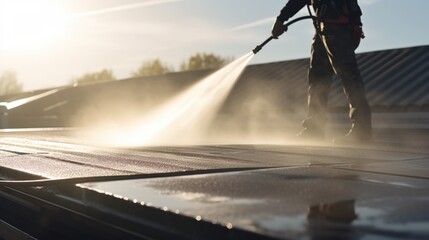
Power washing is an effective cleaning technique that removes unsightly marks, dirt and grime from surfaces. It can also eliminate harmful contaminants such as mold, mildew and other allergens. With regular power washing, homeowners can maintain a safe and clean outdoor space for family and guests.

Outdoor furniture, play equipment and decks can become stained over time with mold, mildew and other contaminants that can cause rot and discoloration. Power washing eliminates these unsightly marks, restoring the surface to its original appearance and allowing it to be used again.

In addition to improving the look of outdoor spaces, power washing also creates a healthier and more enjoyable environment. Dirty outdoor surfaces can trap moisture and heat, leading to the growth of harmful bacteria that can affect air quality and contribute to health concerns. Power washing eliminates these contaminants, eliminating the growth of mildew and mold and preventing them from growing in the first place.

Regular power washing of driveways, patios and other exterior surfaces can also enhance a property’s curb appeal, making it more attractive to potential buyers. Aesthetics aren’t the only benefit of a regularly cleaned outdoor area; it can also help prevent accidents and injuries caused by slippery surfaces.

A professional power wash is a quick and easy way to restore surfaces like patios, driveways and decks. The process removes stains, dirt and grime from all types of surfaces, including wood, concrete and composite decks. It can even remove moss, lichen and weeds from landscaping areas.

Power washing can be a dangerous task, especially if it is not performed correctly. It is important to follow all instructions provided by the manufacturer of the pressure washer and wear the proper safety gear. This includes gloves, goggles and non-slip footwear. It is also a good idea to direct the flow of water away from electrical outlets and other delicate surfaces.

To prepare for a power washing job, homeowners should start by assembling the necessary materials. A pressure washer, a selection of different nozzles, a deck scrub brush and some cleaning detergent or chemicals are all essential items. It is also important to test the power of the pressure washer on a small section of the surface before starting the actual cleaning.

Prevents Pests

Many pests enter homes and businesses looking for food, water or shelter. For example, ants can spread diseases by entering kitchens to find crumbs, while rodents can chew through wiring and cause electrical hazards. Cockroaches can also contaminate food and trigger allergies in some people.

Regular power washing can help prevent pests by removing the food, water or shelter they need to survive and proliferate. Food debris left outside attracts flies, ants and other pests, while piles of leaves or garbage can provide ideal nesting spots for rodents. The high-pressure jets of a professional pressure washer can dislodge and remove pests and their eggs or larvae, as well as other organic material that could attract pests.

In addition, regular cleaning of soffits, gutters, walls and siding can reduce the moisture content of surfaces and prevent the growth of mildew, mold and other materials that may harbor pests. This is important because standing moisture can lead to rot, wood damage and insect infestations.

Finally, a clean home or business exterior is less attractive to pests as it is harder for them to hide. Insects and rodents often seek out cluttered or dirty spaces to build nests, which can lead to significant structural problems over time.

Pests may also carry bacteria that can negatively impact indoor air quality and contribute to health concerns for occupants. For instance, cockroaches, rats and ants can leave behind feces and urine that can cause respiratory distress in some people.

While it is not a traditional method of pest control, the use of power washing has gained attention as an effective, nontoxic method of preventing pests by disrupting their habitats and eliminating food and shelter sources. When combined with other prevention strategies, such as regularly checking for signs of pests in occupied spaces (e.g., under sinks and inside cabinets, around door and window frames) and taking steps to eliminate any potential entry points, the results can be impressive.

Improves Indoor Air Quality

Power washing is a powerful cleaning method that uses heated water to eliminate dirt, mold, mildew, grime, moss, loose paint, oil, rust, algae, and other organic growth from surfaces like asphalt, concrete, brick, wood, roofs, and porches. It also removes weeds, deodorizes, and disinfects surfaces. It’s the ideal cleaning solution for homes and businesses, improving the longevity of surfaces and enhancing curb appeal.

It’s important to use the right cleaner for each surface, however. The wrong chemicals can lead to damage, especially on softer materials like wood. It’s also crucial to minimize chemical runoff, which can harm the environment and aquatic life. Power washing with eco-friendly cleaners prevents this from happening and reduces the risk of harming your property or the surrounding ecosystem.

As a result, fewer harmful contaminants reach indoor spaces and negatively impact health. Air pollutants can cause irritation to the lungs, eyes, and nose, and can even lead to respiratory issues for individuals with sensitive immune systems. Mildew spores can also become airborne and cause respiratory and other health problems in individuals. As a result, services specializing in mildew removal will likely continue to rise in 2025, as more people recognize the health ramifications of this airborne substance.

The best way to limit the amount of pollen that clings to exterior surfaces is through regular power washing. It’s also a good idea to close windows and doors when possible, and to use window or attic fans that can be directed outdoors. This will increase outdoor air ventilation and lower the concentrations of pollen, dust, and other allergens inside your home.

Commercial and residential power washing has many benefits, including enhancing curb appeal, improving the longevity of surfaces, and promoting healthy living environments. With so many advantages, it’s essential for homeowners and business owners to make this service a regular part of their maintenance routines. Schedule an exterior power wash today to keep your home or business looking its best and enjoy the hidden benefits of this proactive approach to maintenance.

Enhances Curb Appeal

When potential buyers and passersby see your home’s exterior, they form an initial impression that can set the tone for their expectations of the property. This is why curb appeal is so important – it serves as the visual handshake that conveys care and quality. Power washing your property’s exterior with regular cleanings is an effective way to enhance its look and boost your home’s value.

In the competitive Houston real estate market, a clean and well-maintained façade speaks volumes about your property and encourages interest. It is widely known that a home’s first impression can dramatically influence its overall market value, often yielding a higher offer and faster sale. With a professional power wash, your house is given a clean and eye-catching appearance that makes it stand out from its neighbors.

Over time, dirt, grime, mold, and mildew can build up on the surface of your home’s siding and brickwork. These contaminants can cause damage to your home’s exterior and make it appear dull or dingy. Power washing removes this debris, revealing the natural color and texture of your exterior’s surfaces.

Additionally, a power wash can also eliminate oil stains, tire marks, and moss from your driveway, sidewalks, and decks, restoring them to their original look. Similarly, your roof’s surface may be coated in organic material or algae, which can affect its durability and negatively impact the structure of your home. A professional power wash eliminates these blemishes and restores your roof to its original, eye-catching condition.

When combined with your well-manicured landscaping, a power wash creates a unified and attractive aesthetic for your home. Whether you are looking to sell your home or simply want to impress guests and neighbors, residential power washing is an easy and cost-effective solution.

Commercial buildings can also benefit from regularly scheduled power washing. Dirty surfaces can detract from the look of your building, but a pressure wash removes harmful substances and refreshes your façade. In addition, these services can prevent allergens and other pollutants from building up on your exterior and contaminating the interior of your facility.

How Pressure Washing Can Improve Your Home’s Curb Appeal

Pressure washing uses forceful jets of water to clean mud, grime, dust, mildew, loose paint, moss, and algae from surfaces. It’s not just about curb appeal, though – it also helps prevent damage and improves safety.

Bird droppings, mold growth, and dirt build-up may look unattractive, but they can wear away at a building, leading to further problems. Regular cleaning by pressure washing can avoid this.

Driveways

Your driveway is the entryway to your home, and regular pressure washing helps it look its best. It also protects the surface from damage by removing dirt, mildew, algae, and oil spills. When these contaminants seep into the porous concrete or asphalt, they erode and weaken the structure, leading to cracks and fissures. Regular cleaning prevents the build-up of these harmful substances, prolonging your driveway’s lifespan.

Before starting to pressure wash your driveway, it’s important to remove loose debris and items with a stiff-bristled broom or leaf blower. You should also wear protective gear like goggles, gloves, and rubber-soled shoes. Finally, place garbage bags or plastic sheets around areas that you don’t want to get wet.

Driveway pressure washing is a delicate balancing act, requiring careful use of chemicals and water pressure to avoid damaging the material. If your driveway is made of concrete, for example, it requires a gentle touch and detergents that respect its porosity.

Sidewalks

A dirty sidewalk can detract from your property’s curb appeal and may even be a safety hazard. Fungus, mold, and other debris can create a slippery surface that can lead to injuries for anyone who ventures onto your walkway.

Fortunately, a power washer with the correct PSI and nozzle can effectively remove these contaminants without damaging the concrete surface of your sidewalk. Be sure to test the pressure on a small, inconspicuous area before completing a full cleaning. Additionally, use a rotary nozzle that allows you to adjust the speed of the water as needed to clean different areas of your sidewalk.

It’s also important to clear away any furniture or planters from your sidewalk before pressure washing. Leaving these items in place could result in damage to your property from the water pressure or from falling cleaning solutions. Keeping your sidewalks cleaned regularly can help you avoid costly repairs or replacements in the future.

Decks

Wooden decks require regular cleaning to prevent mold, mildew, and other impurities from damaging the material. Pressure washing removes these substances and leaves behind a clean, refreshed appearance. It is important to use the right pressure setting and nozzle to avoid damage. Too much pressure can splinter or gouge the surface, while too little pressure can leave etch marks. A professional can help you determine the best settings for your specific deck materials.

It’s also a good idea to hire a professional to power wash your deck before you stain it. This will ensure that the new stain absorbs evenly into the wood. Additionally, cleaning the deck will remove any dirt and debris that would otherwise be soaked up by the stain.

If you’re cleaning your deck, be sure to follow the manufacturer’s recommendations on how often and with what type of pressure washing tool to clean the material. Also, don’t forget to close any electrical components and cover outdoor lighting fixtures near the deck so that water doesn’t come in contact with them.

Patios

Professional pressure washing services offer a reliable, safe, and effective way to clean patio pavers and other outdoor surfaces. They can help remove moss from a brick patio to prevent erosion and reseal the pavers after cleaning to protect them from future damage.

Sweeping a patio before pressure washing is crucial to a thorough result. This helps to loosen stubborn dirt and grime that can be difficult to rinse away. Frequent sweeping also reduces the likelihood of future stains caused by surface debris.

A pressure washer with a wide fan nozzle and a 45-degree spray angle is ideal for patios. This pattern spreads the water and cleaner more evenly, minimizing the risk of damaging the patio materials. It is important to follow the manufacturer’s recommendations for both the pressure and nozzle settings. This ensures that the cleaning is done without causing unnecessary damage. After washing and rinsing, it is important to let the pavers dry completely before returning furniture or foot traffic.

Siding

Siding is a key feature that speaks to your property’s curb appeal and its value. As such, it needs to be cleaned often to keep dirt, moss, mildew and other debris from deteriorating the surface. Regular cleaning also reduces the need for re-staining, re-painting and other costly home maintenance.

Before you start washing, it’s important to inspect your siding for any cracks or damage that could be caused by the pressure washer. If you spot any issues, make sure to repair them before proceeding with the pressure wash. You’ll also want to remove any furniture, grills, and outdoor accessories that are close to the siding. This will protect them from water spray and prevent any potential damage.

When it comes to cleaning siding, it’s best to work from top to bottom. This ensures that any dirt or grime washed off doesn’t re-soil areas you’ve already cleaned. Using a pressure washer with a low setting, start at the top of your house and work your way down to the bottom.

Gutters

Gutters are often neglected, but it’s important to clean them twice a year to prevent clogs. Rather than risk falling off a ladder to do this yourself, a professional pressure washing service can help. Using a gutter cleaning attachment on the end of the pressure washer wand, they can rinse away debris and dirt before applying cleaning detergent.

A professional will typically use a lower PSI to avoid damaging your gutters or forcing water under the shingles. They will also take care not to spray the soffits, which can encourage mildew growth.

If you decide to pressure wash your gutters, make sure you have the right equipment and safety gear. A hat, safety glasses, long pants and sleeves, and ear protection will help protect you from flying debris. You’ll also need a bucket for the detergent solution and tarps or drop cloths to cover nearby plants and surfaces.

What Is Pest Control and How Does It Work to Protect Your Home

It only takes one small sign to change the way you feel about your home. A line of ants across the kitchen floor, scratching sounds behind the walls, or an unexpected pest sighting can quickly turn comfort into concern. Pests are more than just an inconvenience. They can damage property, contaminate food, and create an unhealthy environment if left untreated. Understanding what pest control is and how it works can help homeowners and businesses protect their spaces and prevent problems before they grow.

What Is Pest Control

Pest Control

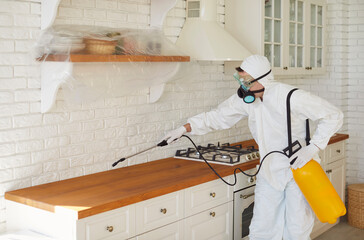
Pest Control Grapevine TX is the process of managing, reducing, or eliminating unwanted pests from homes, businesses, and other properties. These pests may include insects, rodents, termites, and other organisms that can cause damage or health concerns.

The goal of pest control is not only to remove existing infestations but also to prevent future problems. Effective pest management focuses on identifying the source of the issue and creating a strategy that keeps pests from returning.

Pest control can involve different methods depending on the type of pest and the severity of the infestation. The process often combines inspection, treatment, monitoring, and prevention to achieve long term results.

Why Pest Control Is Important

Pest control plays a major role in maintaining a safe and healthy environment. Many pests carry bacteria or contaminants that can affect food, surfaces, and indoor air quality. This creates potential health risks for people and pets.

Property protection is another important reason for pest control. Rodents can chew through wiring and insulation, while termites can weaken wooden structures over time. Even small infestations can lead to costly repairs if not addressed quickly.

Comfort and peace of mind are also significant benefits. Living or working in a pest free environment creates a more pleasant experience and reduces stress caused by infestations.

In commercial settings, pest control is especially important for protecting reputation and maintaining cleanliness standards. Customers and employees expect clean and well maintained environments, and pests can quickly damage that trust.

Common Types of Pests

Different environments attract different types of pests. In homes, ants and cockroaches are among the most common insects. They are often drawn to food and moisture, making kitchens and bathrooms common problem areas.

Rodents such as mice and rats are another major concern. They can enter through small openings and quickly spread throughout walls, attics, and storage areas.

Termites are known for causing hidden structural damage. Because they often remain unnoticed for long periods, their impact can become severe before detection.

Other common pests include spiders, mosquitoes, fleas, bed bugs, and wildlife such as raccoons or squirrels. Each type of pest requires a different approach for effective control.

How Pest Control Works

Pest control works through a combination of inspection, treatment, and prevention. The process usually begins with identifying the type of pest and understanding the extent of the infestation.

An inspection helps locate nesting areas, entry points, and conditions that may be attracting pests. Once the problem is assessed, an appropriate treatment plan is selected.

Treatments vary depending on the situation. Some methods focus on trapping or removing pests directly, while others involve targeted applications that reduce pest activity. In many cases, prevention is equally important.

Sealing entry points, improving sanitation, and reducing moisture are common preventive measures. These steps help eliminate the conditions that allow pests to thrive.

Monitoring is another important part of the process. Regular inspections help ensure that pests do not return and allow for early detection if new activity appears.

Different Methods of Pest Control

There are several methods used in pest control, each designed for specific situations. Physical methods include traps, barriers, and exclusion techniques that prevent pests from entering a property.

Biological methods use natural predators or environmentally balanced solutions to control pest populations. This approach is often used in outdoor or agricultural settings.

Chemical treatments are another common option. These treatments are carefully selected and applied to target specific pests while minimizing unnecessary exposure.

Integrated pest management is a more comprehensive approach that combines multiple methods. It focuses on long term prevention and reducing reliance on a single treatment type.

The method chosen depends on the pest, the environment, and the level of infestation.

Signs You May Need Pest Control

Recognizing early signs of pest activity can help prevent larger infestations. Droppings are one of the most common indicators, especially for rodents and insects.

Chewed materials or damaged food packaging may also suggest pest activity. Strange odors or unusual noises in walls and ceilings can point to hidden infestations.

Seeing live pests during the day may indicate a growing population, especially for pests that are usually active at night. Nesting materials, grease marks, or small holes near entry points are also warning signs.

Responding quickly to these signs helps reduce damage and makes treatment more effective.

Benefits of Professional Pest Control

Professional pest control offers several advantages over temporary or do it yourself solutions. One of the biggest benefits is expertise. Professionals understand pest behavior and know how to identify hidden infestations.

Another benefit is efficiency. Proper treatments and preventive measures can often solve the problem faster and more effectively than trial and error methods.

Safety is also important. Handling pests and applying treatments incorrectly can create risks. Professional services use methods designed to address infestations while maintaining a safe environment.

Long term prevention is another major advantage. Professionals focus not only on removal but also on identifying and correcting the conditions that attract pests.

Preventing Future Pest Problems

Prevention is one of the most important parts of pest control. Keeping spaces clean and reducing access to food sources helps discourage pests from settling in.

Sealing cracks and gaps around doors, windows, and utility lines prevents pests from entering. Regular maintenance and inspections also help identify vulnerabilities before they become serious issues.

Proper waste management and moisture control are equally important. Pests are often attracted to standing water and poorly stored garbage.

Outdoor maintenance can also make a difference. Trimming vegetation and reducing clutter around the property limits hiding places and access points.

The Long Term Impact of Ignoring Pest Problems

Ignoring pest issues can lead to serious consequences over time. Small infestations often grow quickly, leading to greater property damage and higher repair costs.

Health risks may also increase as pests spread contaminants throughout the environment. Rodents, insects, and other pests can negatively affect hygiene and indoor air quality.

The emotional impact should not be overlooked either. Living with an infestation can create stress and discomfort, especially when the problem becomes difficult to control.

Taking action early helps avoid these complications and protects the long term condition of the property.

Conclusion

Pest control is an essential part of maintaining a safe, clean, and comfortable environment. By understanding what pest control is and how it works, homeowners and businesses can take proactive steps to prevent infestations and protect their properties.

From inspection and treatment to prevention and monitoring, effective pest management focuses on long term results. Addressing problems early and maintaining proper preventive measures helps reduce risks and improve overall quality of life.

A pest free environment is not just about convenience. It is about protecting health, preserving property, and creating a space where people can feel secure and comfortable every day.

Energy-Efficient Home Improvements That Lower Your Utility Bills

J&R Construction

A home or building’s energy costs can be lowered by installing affordable energy upgrades. These include sealing air leaks, upgrading old appliances to ENERGY STAR qualified models, and switching to LED lighting.

Homes that offer built-in savings on energy bills will make a good impression on buyers. Your real estate agent can help you highlight features like ENERGY STAR certifications and home energy audits. Contact J&R Construction for more information.

1. Add Insulation

Home energy efficiency upgrades are a powerful way to reduce your ConEd bills and build a sustainable abode for the future. Whether you’re a homeowner or renter, energy-saving strategies like upgrading to LED lighting, sealing air leaks, and tackling standby loads (devices that consume power even when turned off) can give you significant savings without permanent home modifications. Adding insulation is also one of the most impactful energy-efficient home improvements you can make.

The majority of homes in the U.S. are under-insulated, resulting in wasted energy and higher utility bills. The good news is, a well-sealed and insulated home can save up to 10% on heating and cooling costs. To boost your home’s efficiency, start with air sealing and insulating, which can be done for a fraction of the cost of other renovations.

Residents can qualify for low- and no-cost home energy assessments and insulation upgrades through the EmPower+ program. Moreover, homeowners can leverage federal Inflation Reduction Act (IRA) tax credits and state programs that lower the upfront costs of many energy-saving upgrades.

A significant amount of heat escapes a home through its windows and doors, and upgrading to energy-efficient windows can significantly reduce your utility bills. Look for windows with the ENERGY STAR label to ensure that you’re getting the best efficiency value.

Upgrading to a more efficient electric appliances, including refrigerators, washing machines, dryers, and dishwashers can further reduce your utility bills. For example, an ENERGY STAR dishwasher uses 20% less energy than a standard model. For an even bigger bang for your buck, consider pairing your home appliances with solar energy. Solar panels can lower your ConEd bills, increase the sustainability of your abode, and provide value to a potential buyer.

2. Install Energy-Efficient Windows

Energy-efficient windows are a great home improvement option that not only lowers your energy bills, but can significantly increase your property value. In fact, a recent survey found that over half of real estate agents reported that buyers are interested in sustainability.

Windows are responsible for 25%-30% of residential heating and cooling use, so upgrading to energy-efficient windows is a smart investment. These windows minimize energy loss through conduction, radiation, condensation, and air leakage by using features like low-emissivity glass coatings and gas fills like argon or krypton. They also have tighter seals and insulated frames that help reduce heat transfer.

When choosing energy-efficient windows, make sure they have the ENERGY STAR label. This certification means they meet stringent energy efficiency guidelines and will save you money on your energy costs. In addition, some states offer a variety of tax incentives, rebates, and discounts for homeowners who install energy-efficient windows in their homes.

Before installing new windows, a professional installer will carefully prep the window opening and frame to ensure that it’s properly aligned and sealed. They’ll also use shims to adjust the alignment and to ensure that the window can close and open easily, minimizing drafts. Once the window is positioned, it’s then installed with the proper trim to give it a finished look.

Another easy way to improve your home’s energy efficiency is by adding or replacing skylights. These light sources brighten interior spaces and can help you save on the energy used for indoor lighting, while allowing more natural sunlight into your home. Depending on where you live, you may qualify for an IRA tax credit that covers 30% of the cost of new energy-efficient skylights (up to $600), providing additional savings on your initial installation costs.

3. Install Energy-Efficient Doors

Adding energy-efficient doors to your home is an eco-friendly way to improve your home’s comfort and efficiency. These durable, long-lasting upgrades reduce utility costs and carbon footprint, making your brownstone more attractive to environmentally conscious buyers.

Energy-efficient front doors are made with low U-factors, which reduce the amount of heat that escapes your home during colder months and warm air in warmer ones. By making a smart upgrade to your front door, you can save on energy bills and increase your property’s value in the long run.

The best place to start when improving your home’s energy efficiency is through a professional home energy audit. A professional will recommend the most cost-effective ways to make your building more comfortable, including air sealing and insulating the attic and basement.

Drafts, leaking windows and doors, and old insulation are common causes of energy waste in homes. Sealing these leaks with caulk, spray foam, and weather stripping can drastically cut your heating and cooling costs. Adding more insulation in the attic, basement, and walls is another great way to reduce your energy bills, and installing new windows and doors will also help.

When you invest in new, energy-efficient windows and doors for your home, you may qualify for tax rebates, credits, and incentives to lower the initial investment costs. Check out NYSERDA’s list of programs to see what options are available for your home, based on location and household income.

4. Install Energy-Efficient Appliances

Energy-efficient appliances use less electricity, resulting in lower utility bills. Replacing older appliances with newer models labelled with the ENERGY STAR® label will cut your electric bills significantly. For example, replacing an old refrigerator that uses 11% of your household’s total energy budget with a new ENERGY STAR model could save you $450 over its lifespan.

You can also improve your home’s energy efficiency by reducing the amount of electricity your washer, dryer, dishwasher, and other household appliances consume. Installing a programmable thermostat will help you reduce your energy consumption by allowing you to set temperatures for times when you are home, and when you are not. You can also make your appliances more efficient by running them during off-peak hours, when utility rates are lower.

Homes that are highly energy-efficient offer many benefits for their occupants, such as a more comfortable indoor environment and lower maintenance costs. Moreover, they are often healthier because advanced ventilation systems help to maintain consistent indoor air temperatures and humidity levels.

If you are planning a home improvement project, make sure that it is made with energy efficiency in mind. Consider using ENERGY STAR appliances and a programmable thermostat, as well as adding weather stripping and caulking to your home to reduce drafts. Additionally, consider switching to LED lighting, which uses a fraction of the energy that traditional incandescent bulbs do.

Energy-efficient improvements are one of the best ways to reduce greenhouse gas emissions, which contribute to climate change. Making these upgrades will not only lower your electricity bills but will also add value to your home, making it more attractive to potential buyers.

5. Install Energy-Efficient Lighting

Lighting accounts for around 15% of your home’s electricity use. Swapping out traditional bulbs with energy-efficient ones can significantly reduce this number, saving you money on your monthly ConEd bill. Additionally, these bulbs are built to last. Most can go for more than a decade without needing replacement.

Many of these energy-saving upgrades can also qualify you for tax credits, helping to offset the cost of the upgrade. The Energy Efficient Home Improvement Credit is available through the end of 2025, as well as the Residential Clean Energy Credit which offers up to a 30 percent income tax credit for alternative energy equipment like solar panels and storage batteries.

Energy-saving upgrades aren’t only a great way to lower your ConEd bills, but they can also increase the value of your home and help you leave a smaller environmental footprint. Homeowners can take advantage of a wide range of federal and State programs that can further reduce the cost of these upgrades.

The best way to determine the most effective energy-saving home improvements is by conducting a professional home energy assessment, also known as an energy audit. These assessments are free or low-cost and will provide you with a top-to-bottom look at where your home is wasting energy.

Navigation